With the start of the 2021/2022 winter sports season, the FIS (Fédération Internationale de Ski) and the IBU (International Biathlon Union) have introduced important new regulations regarding the use of fluorinated waxes. These regulations are closely linked to EU Regulation 2019/2021 ("POP Regulation") and EC Regulation 1907/2006 ("REACH Regulation"), which strictly regulate the handling of substances that are hazardous to the environment and health, such as fluorinated waxes.
Fluorinated waxes, especially those containing C8 fluorocarbons and PFOA (perfluorooctanoic acid), have long been criticized for their negative effects on the environment and human health. These substances are not biodegradable and accumulate in the environment, which can lead to significant ecological problems. For this reason, the FIS and IBU have strictly prohibited the possession, use, sale, distribution or trade of products containing these harmful substances at all official events.
Effects on the 2021/2022 competition season
For the current season, this means some significant changes that must be observed by both athletes and teams:
1. Compliance with FIS/IBU rules by Swiss-Ski: Swiss-Ski, the governing body for skiing in Switzerland, has committed to strictly adhering to the regulations set out by the FIS and IBU. This means that any violations of these regulations can be sanctioned.
2. Restricted use of fluoride waxes: Although the use of fluoride waxes is still permitted in principle, the products used must comply with the above-mentioned EU regulations. This ensures that only fluorine waxes that do not contain harmful C8 compounds and are therefore less harmful to the environment are used.
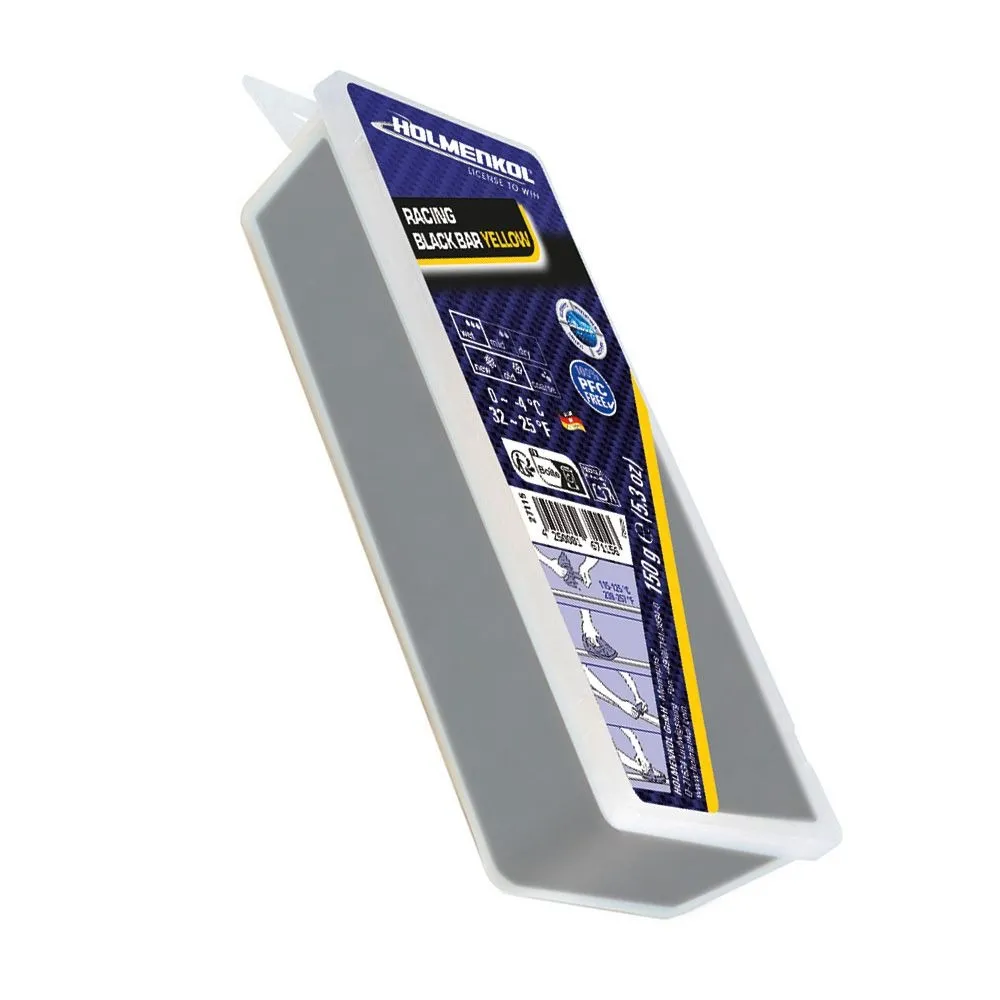
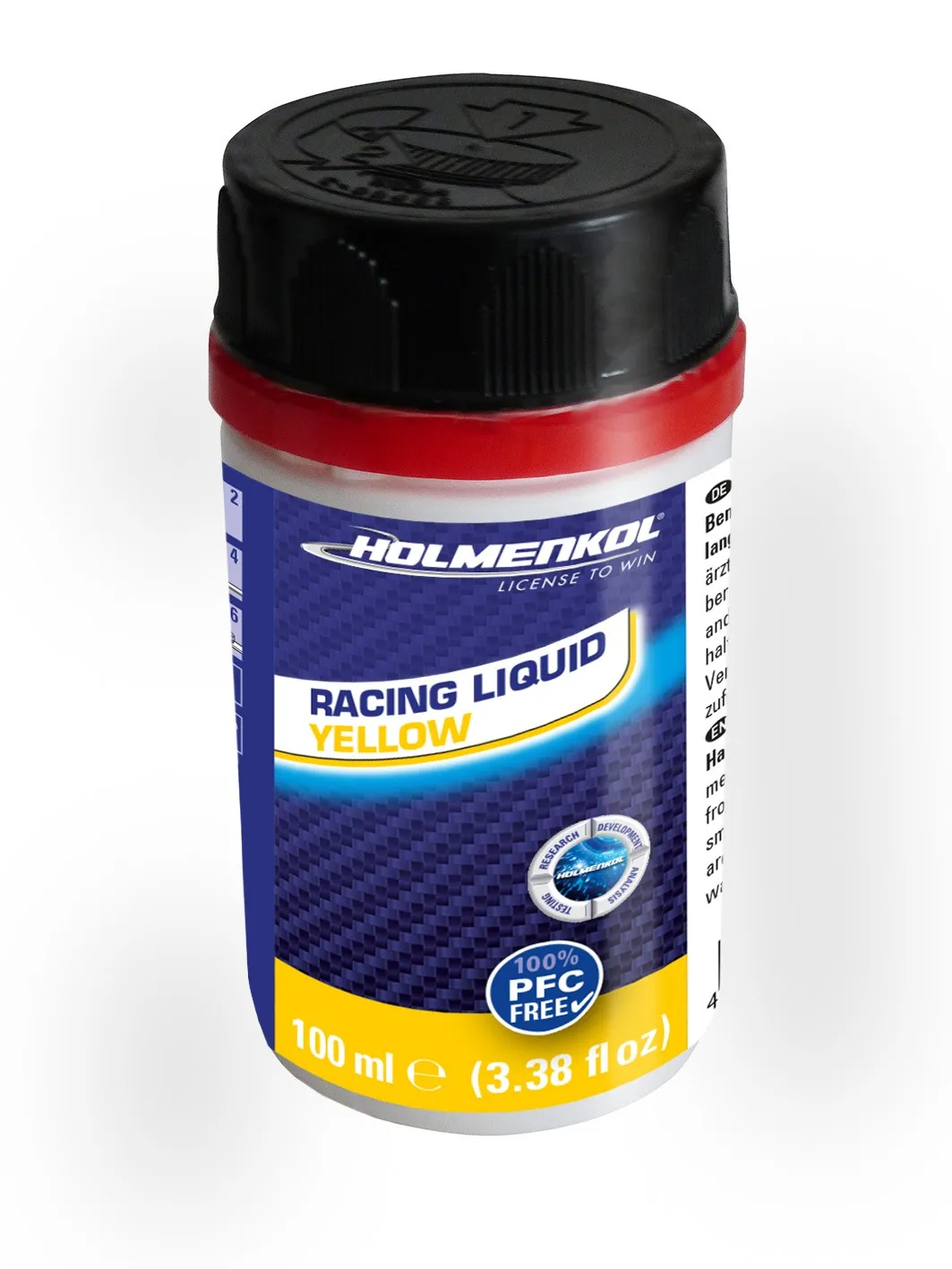
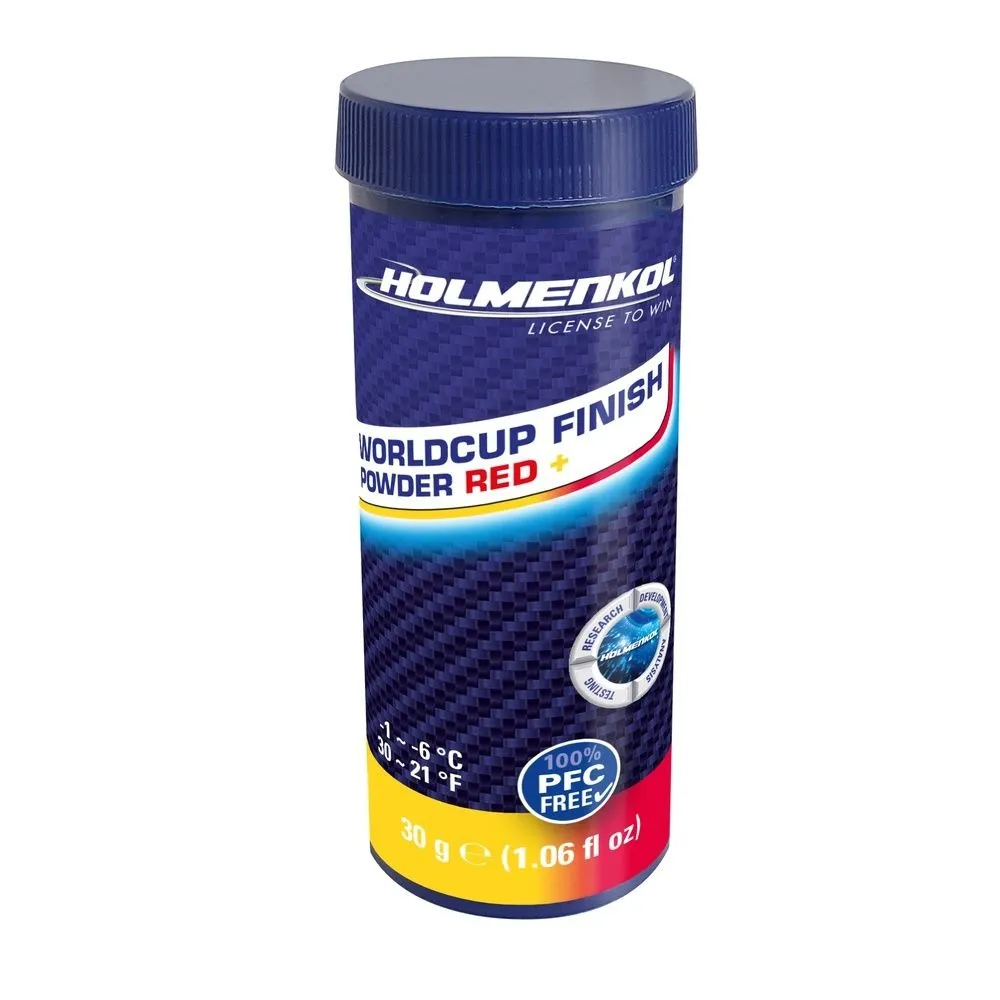
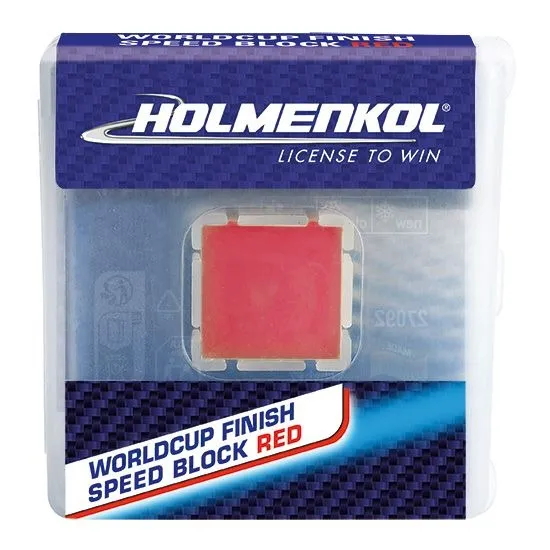
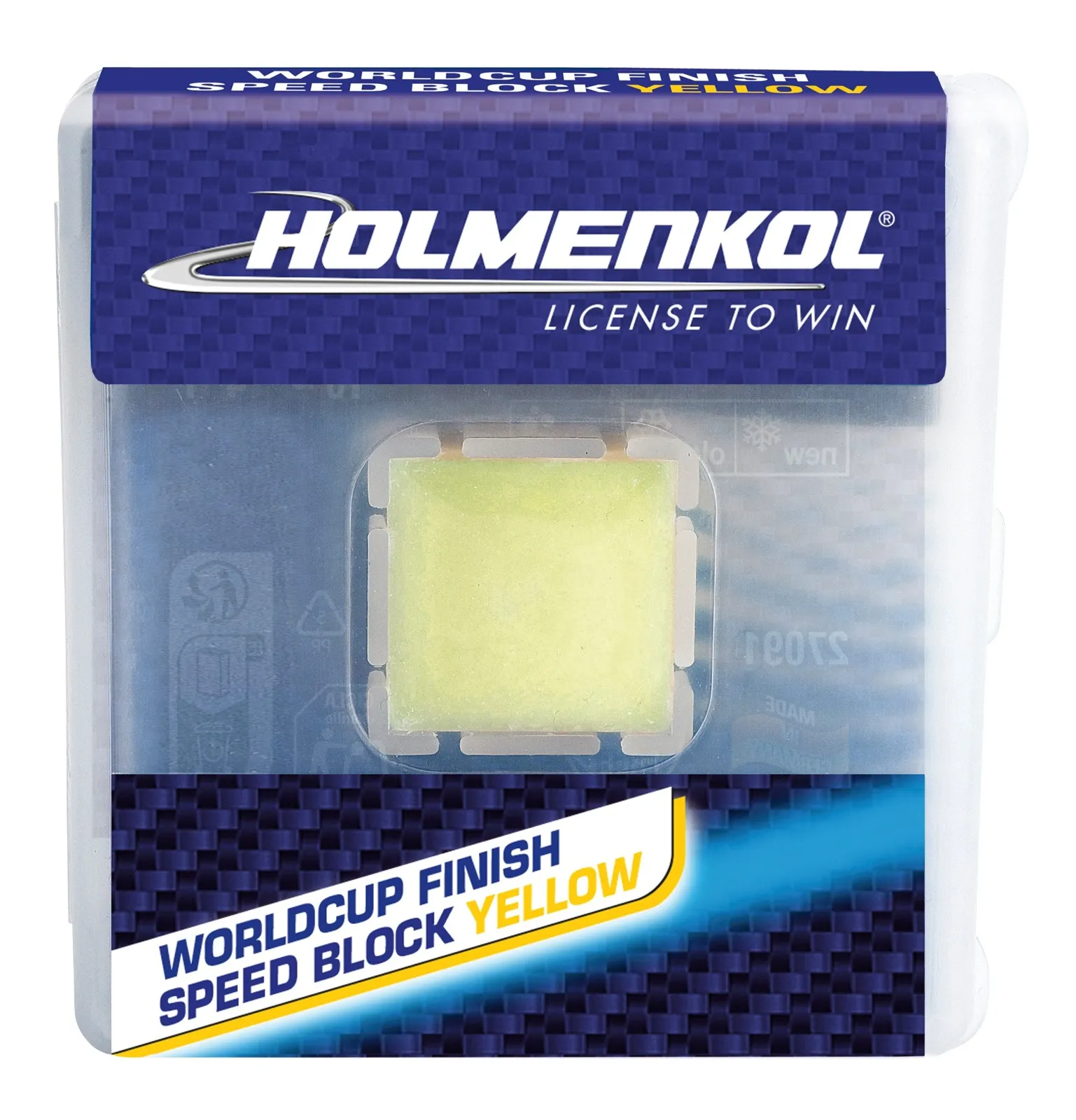
3. Labeling by the wax companies: To ensure compliance with the regulations, ski wax manufacturers have labeled their products accordingly. Labels such as "Regulation 2020", "Eco Fluor", "Future Fluor", "PFOA Free" or "Future Cera" are indications that the respective waxes comply with the new standards and can be used without hesitation.
4. Obligation of manufacturers since July 2020: Since mid-2020, manufacturers have been obliged to only place products on the market that meet the new regulatory requirements. This measure is intended to ensure that the industry completely moves away from harmful C8 fluorocarbons and develops and distributes more environmentally friendly alternatives.
Outlook and further developments
The above regulations will initially only apply to the 2021/2022 winter sports season. It is currently unclear how the FIS and IBU will deal with the fluorine ban in the coming years. A decisive factor for future developments will be the introduction of a so-called fluorine tracker. This device should make it possible to immediately and reliably detect the presence of fluorine-containing waxes on skis. Although the use of the tracker was originally planned for the 2021/2022 season, it was initially postponed in order to further test and optimize the device during competitions without the threat of penalties.
The 2021/2022 season therefore represents a transitional period in which new technologies and regulations can be tested and possibly adapted. It remains to be seen how the use of fluorowax in skiing will develop in the long term and what further measures the FIS and IBU will take in the coming years to ensure both fair competition and environmental protection.
Conclusion
The fluorine ban in the 2021/2022 winter sports season is an important step towards more sustainable sport. While the use of certain fluorinated waxes is still permitted, they must comply with strict EU regulations in order to minimize environmental damage. Athletes and teams need to adapt to these new regulations and closely monitor developments over the coming years to stay up to date and avoid potential sanctions.
Stay informed and prepare well for the upcoming season - the rules are strict, but they serve a higher purpose: to protect our environment and the health of everyone involved.