Waxing new skis - useful or superfluous?
Have you treated yourself to new skis and can't wait to finally get them on the slopes? That's understandable! But before you head to the ski resort, you should ask yourself an important question: Should you wax new skis? The short answer is yes. But why this is the case, how often you should wax, which wax is ideal and how you can tell the difference between factory wax and real ski base protection - that's what you'll find out in this comprehensive article.
Tip: If you shop at ski-shop.ch new skis, you will always receive them freshly hot waxed. This means they are immediately ready for use and optimally prepared for your first runs.
Why wax skis at all?
The base of modern skis is usually made of sintered polyethylene (PE). Although this material is very robust, it is also porous. Without care, it quickly loses its gliding properties - this means more friction, poorer skiing characteristics and an increased risk of premature wear.
Advantages of regular waxing:
- Better gliding ability in all snow conditions
- More efficient use of force when driving
- Protection against oxidation and drying out
- Less damage to the base due to dirt, crystals and small stones
What does "factory waxed" mean - and is it enough?
Many ski models are supplied with a so-called base wax delivered. This protects the base during storage and serves as basic protection. However, this layer is not sufficient for sporty, ambitious skiers or longer days of skiing.
Base wax is usually:
- Simple universal wax
- Applied in a thin layer
- Often does not penetrate deep enough into the pores
So if you want to use the full potential of your new skis, you should opt for professional hot waxing - or do it yourself.
How often should skis be waxed - especially new models?
When preparing new skis for the first time, it is worth waxing them wax them several times in succession. This saturates the base and noticeably extends the service life.
Recommended procedure for new skis:
- 1× basic cleaning (e.g. with warm wax and stripping)
- 3-5× hot waxing with subsequent brushing out
The following applies to regular use:
- Recreational skiers: wax every 3-5 days of skiing
- Racers or frequent skiers: After every use or specifically depending on the temperature
Which wax is the right one?
There are different types of ski wax, depending on the temperature and type of snow:
| Wax color | Area of use |
|---|---|
| Yellow | +10 to 0 °C (wet spring snow) |
| Red | 0 to -4 °C (changeable conditions) |
| Purple | -4 to -12 °C (cold fresh snow) |
| Blue | -12 °C and colder (dry powder snow) |
If you are unsure, a high-quality universal wax is usually sufficient to start with - or you can have your skis optimally adjusted directly in our workshop.
Can you wax skis yourself?
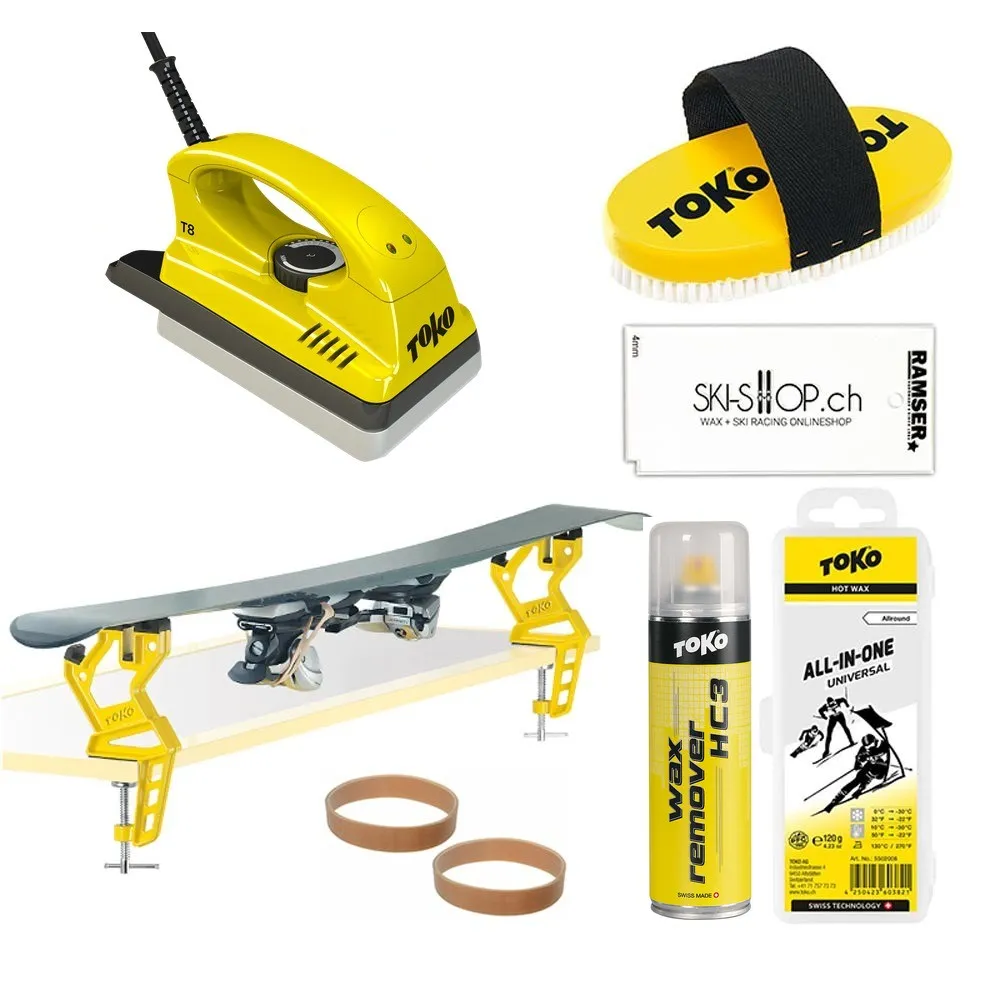
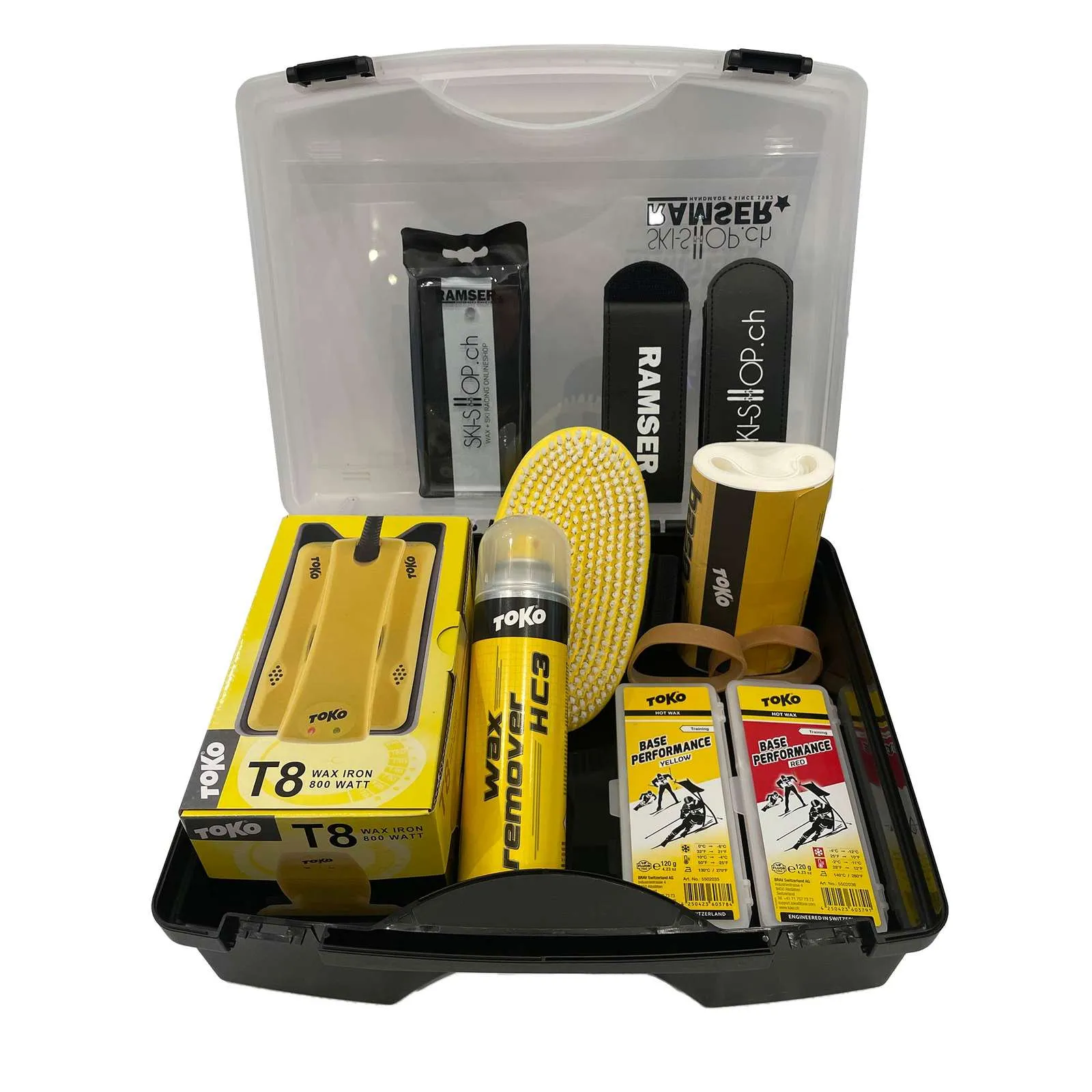
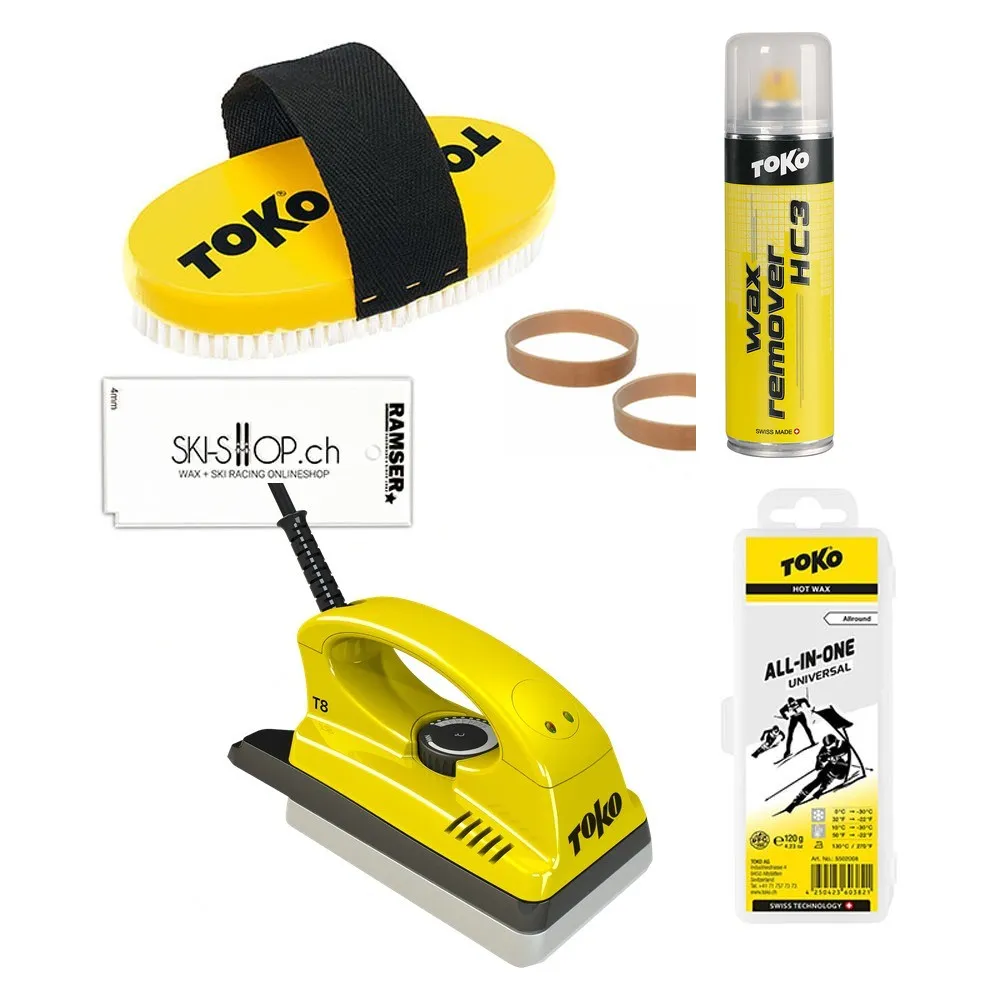
Yes, you can! With a little practice and the right equipment, you can do the waxing yourself. You will need:
- Waxing iron (not a household iron)
- Suitable ski wax
- Scraper blade (Plexi)
- Bronze and nylon brush
- Base cleaner (optional)
Caution: The wax temperature must exactly match the type of wax. Ironing too hot can damage the base - ironing too cold prevents penetration into the material.
Advantages of the professional waxing service
If you want to play it safe or save yourself time: In the ski-shop.ch workshop, we offer you professional waxing and sanding services tailored to your model and your riding style.
- Machine hot waxing with optimum temperature control
- Base structuring for the perfect glide angle
- Individual advice for your skiing profile
Conclusion: Waxing new skis - a must for long-lasting performance
Even if your new skis look shiny and fresh, the base needs care to perform well in the long term. The factory wax is a good start, but is no substitute for proper hot waxing.
Our recommendation: Give your new skis a thorough wax treatment before using them for the first time. You will feel the difference immediately - and enjoy your equipment for longer.
If you buy your new skis from ski-shop.ch they are already hot waxed - so you can start skiing straight away.