The new season brings more innovation to ski boots than in previous years. The most noticeable change is the closure system: Instead of four buckles, more and more models feature a dial on the shell—some even have two. In addition, Nordica, Atomic, and Dalbello have completely revamped their performance lines. We’ve listed the current top models below—here’s an overview.
First things first: The best boot isn’t the stiffest one or the one with the latest technology, but the one that fits your foot. Last width and volume are the most important factors; flex and closure come second.
New Ski Boots 2026/27: BOA, new shells, and narrower lasts
BOA Instead of a Buckle: The Benefits of the Twist Lock
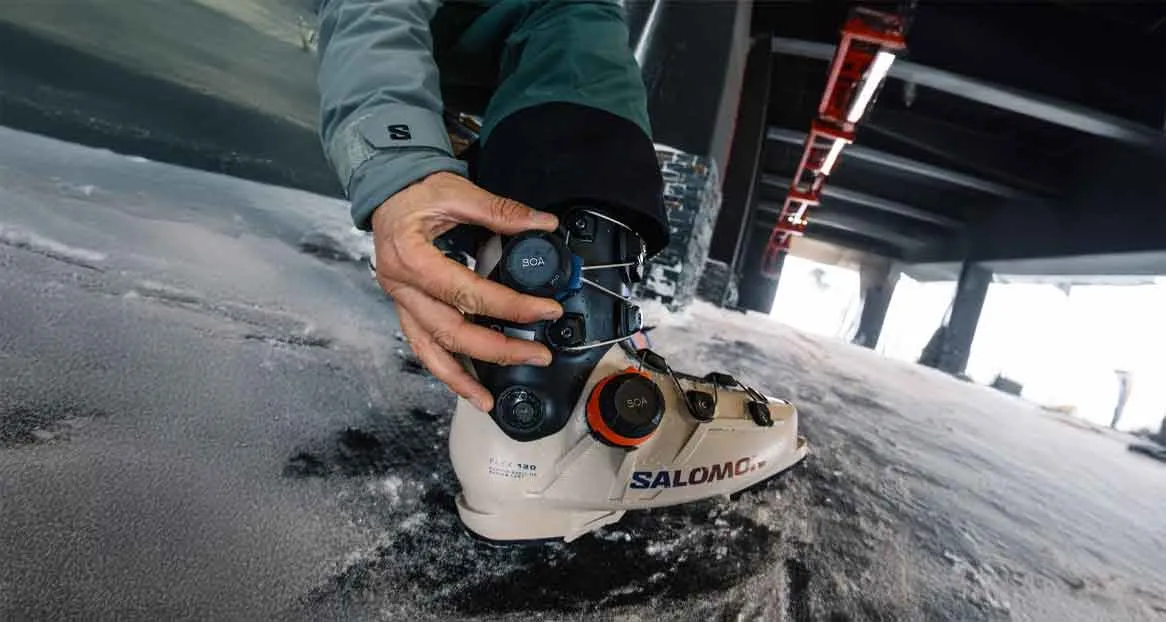
A buckle tightens at a single point. The BOA Fit System tightens all the way around with a steel cable and distributes the pressure across the entire forefoot. In practical terms, this means fewer pressure points over the instep, more precise adjustment, and the ability to fine-tune the fit in both directions—even while wearing gloves at the lift. Anyone with a flat instep who’s had to tighten every buckle all the way to the stop will notice the difference most clearly.
What BOA can’t do: It doesn’t replace a proper fit. A boot that’s too wide or too bulky won’t suddenly fit just because of the dial—it’ll just be laced more evenly. And on most models, a classic buckle remains on the cuff because it allows for better adjustment of the forefoot position and shin fit.
- √ Pressure is distributed evenly rather than concentrated in specific spots
- √ Finely adjustable in both directions, even while wearing gloves
- √ Tighten the laces while skiing without having to get off your skis
- √ Does not replace shell customization by a boot fitter
The new models with BOA
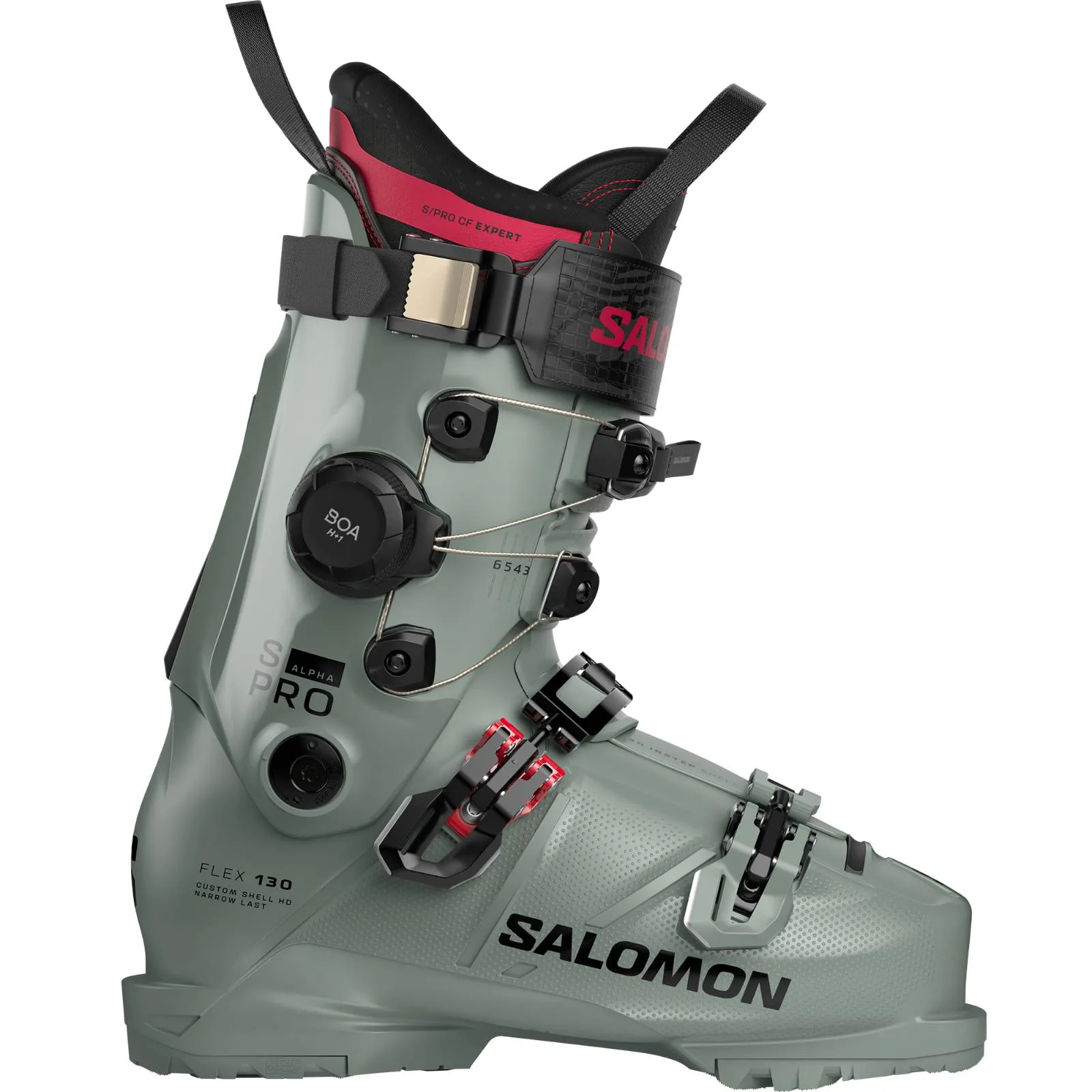
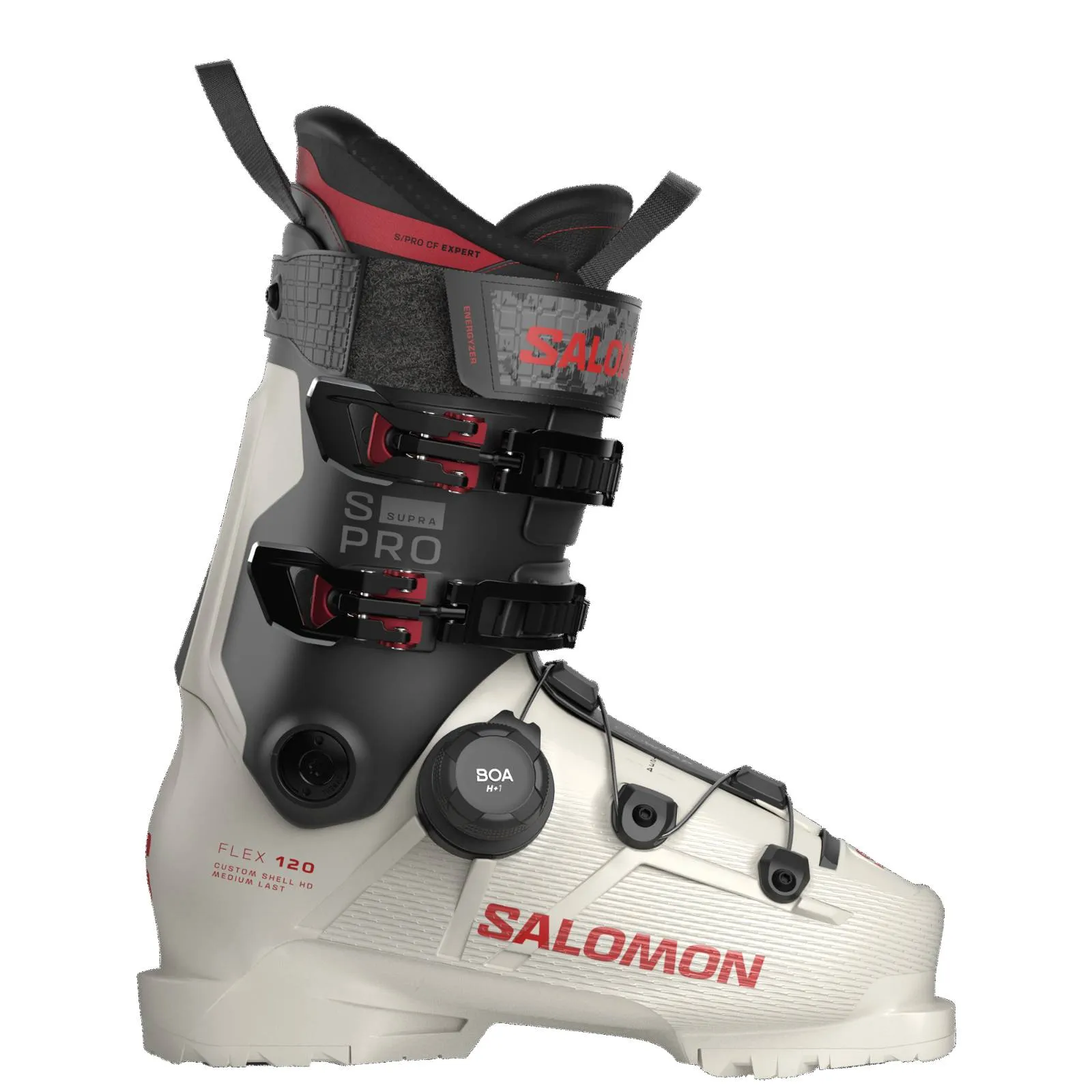
On Salomon , the closure is located in two places. The S/Pro Alpha C BOA 130 has it on the cuff, combined with the ExoDrive construction and a narrow 98 last—making it the boot for experts. On the S/Pro Supra S BOA 120, the dial is located on the shell; it features a 100 mm last and the ExoWrap construction, which allows specifically thinner shell zones to truly wrap around the foot. The women’s version, the S/Pro Supra S BOA 105 W, also features a calf adjuster on the upper.
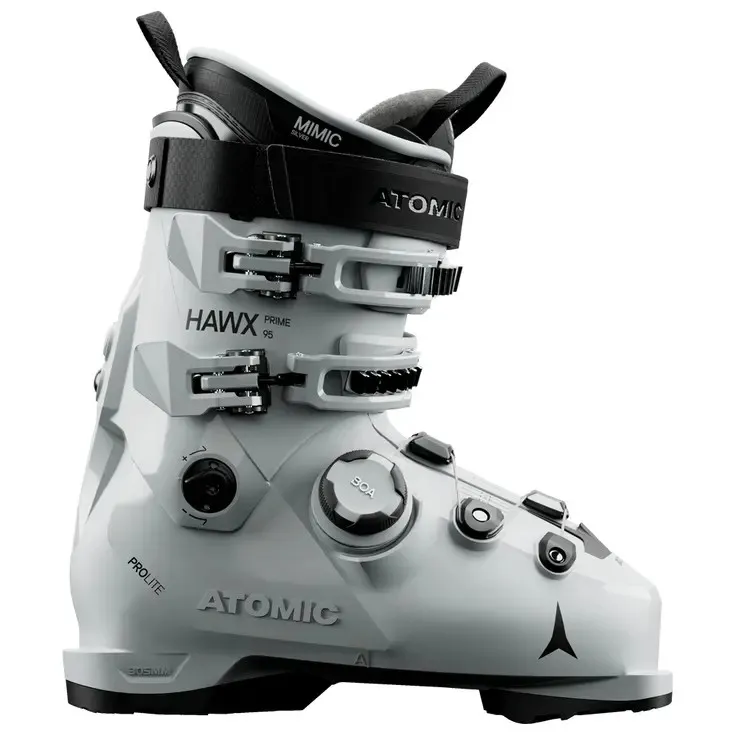
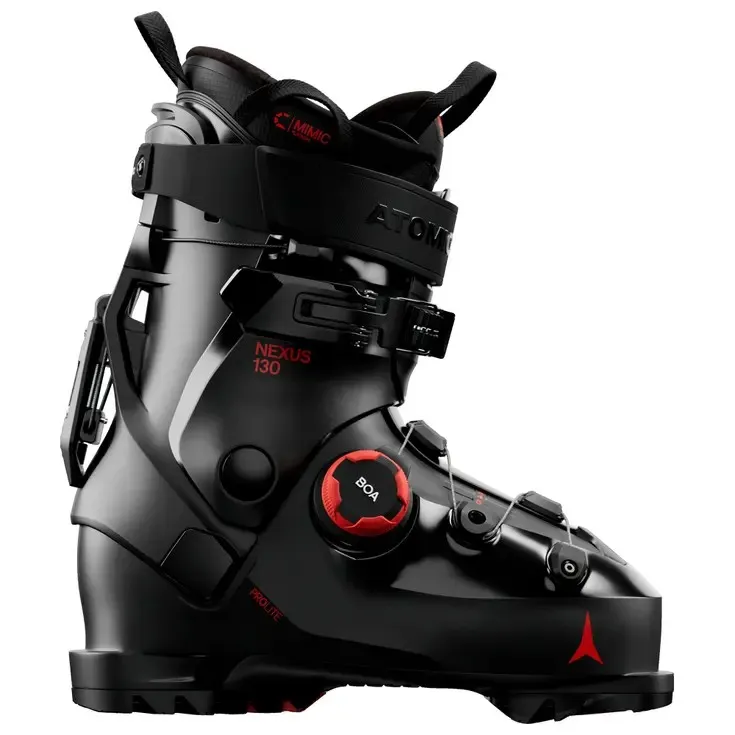
Atomic The Nexus series takes a unique approach. With the Nexus 130 BOA, you flip open a lever at the back, step in as you would with a rear-entry boot, and then close the dial. You adjust the buckle on the shaft once and don’t touch it again. The front retains the classic overlap design, so power is still transferred directly to the edge. For female skiers, there’s the Hawx Prime 95 BOA W with a 100 mm last and the Nexus 95 BOA W.
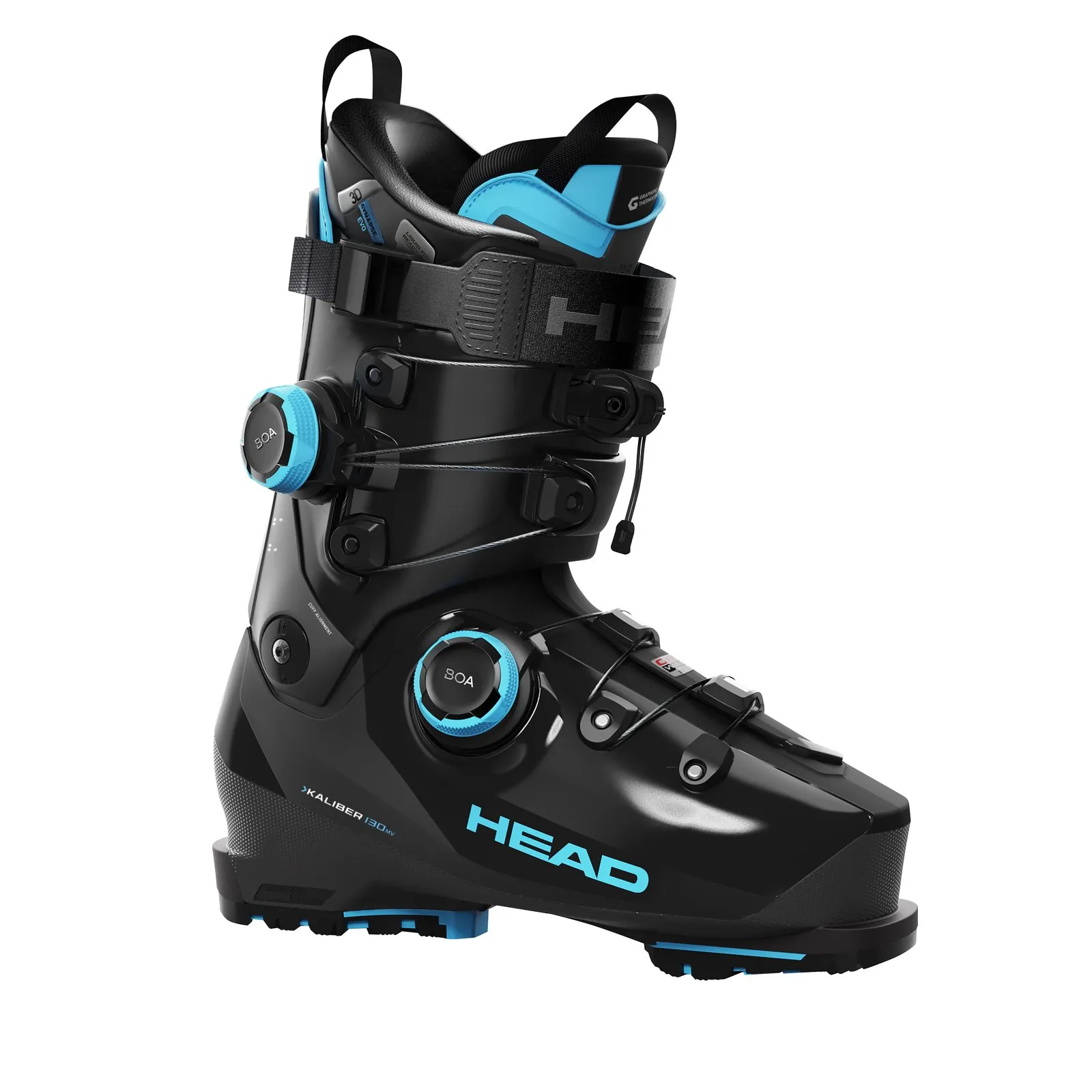
The Head Kaliber 130 MV GW BOA2 is the only model in the lineup with two dial systems: one for the forefoot and one for the instep, plus Graphene reinforcement in the shell. If you have a wider foot, opt instead for the Head Edge 130 HV BOA with a high-volume last and FormFit shell. Both are part of the Head ski boot lineup. The Fischer RC4 130 MV BOA features a dial system combined with an adjustable Vacuum shell, a 104 mm last, and weighs just under 2,000 grams per boot.
New, but with a classic lacing system
Not every new model has a dial. Nordica has completely redesigned the third generation of the Pro Machine and Speedmachine: new shell, new liner, new sole. The Pro Machine 3 130 GW offers a narrow, precise fit at 98 mm, while the Speedmachine 3 130 GW is slightly roomier at 100 mm. Both feature the 3Force Frame—a stiff framework surrounded by softer plastic—and a liner with cork inserts at the heel and ankle.
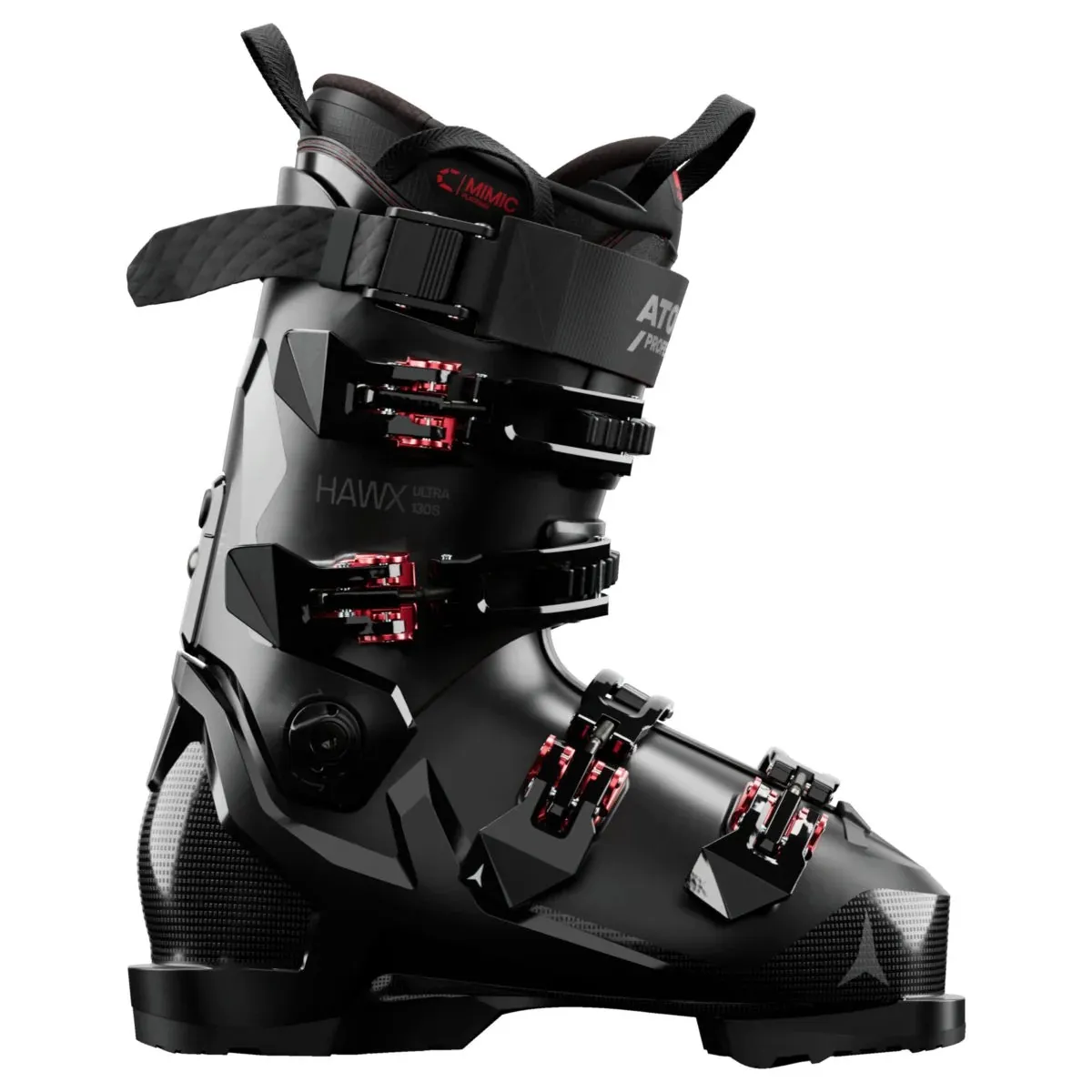
Atomic The Hawx Ultra 130 S retains four aluminum buckles, a 98 mm last, and an Energy Backbone in the heel to ensure consistent flex even in cold conditions. The Dalbello lineup has been expanded with the DRS 130—which boasts World Cup DNA—and the Veloce 120 MV, along with the three-piece Il Moro Pro 3DWrap for the park and halfpipe. The Lange RS 130 LV Gold Edition is an individually numbered special edition built on the narrow LV last—clearly geared toward racing.
An exciting brand to check out is Phaenom from Faction. The fs 01 120 and the new fs 02 110 combine an overlap shell at the bottom with a convertible tongue at the top; the forward lean angle can be adjusted to 13, 15, or 17 degrees using flip chips, and every part is repairable and recyclable.
Last and Flex: The Numbers That Really Matter
Last width is the first criterion. 98 mm means narrow and snug; 100 mm is the mid-range, where most feet are well-suited; and 102 mm and up is considered wide. Too much space compromises control more than any stiff shell can compensate for.
When it comes to flex, the number isn’t standardized. A 130 from one brand might feel softer than a 120 from another, and in cold weather, every boot gets stiffer. As a rough guide, 90 to 110 is right for most good piste skiers, 120 to 130 for strong, athletic skiers, and anything above that is for racing. If you buy a boot that’s too stiff, you’ll end up leaning back.
Why you should try on the new boots
All the models listed here can be thermally molded; for Salomon and Dalbello, even the shell itself can be adjusted. But that only works if the basic shape is right. Bring your socks and, if you have them, your insoles, and we’ll do the shell test and measure you in Mondopoint. You can find out how this works on the ski boot fitting page; the full selection is under “Ski Boots.”
One more thing that’s often overlooked: Every new boot requires a new binding adjustment. The sole length and type change, and so do the release settings. Bring your skis with you to the service center right away, and we can take care of everything in one visit.
Frequently Asked Questions About the New Ski Boots
Is a BOA ski boot better than one with buckles?
Not necessarily. BOA distributes pressure more evenly and allows for finer adjustment, which is especially helpful for those with a flat instep and a sensitive forefoot. However, a well-fitting buckle boot is always superior to a poorly fitting BOA boot. Decide on the fit first.
What happens if the BOA cord breaks?
The cable and wheel are replaceable, and BOA offers a warranty on the system. Repairs are done in the workshop, so the boot itself remains intact. During normal use on the slopes, this rarely happens anyway.
What last width do I need?
It depends on your foot, not your skill level. The width is measured at the ball of the foot, plus the volume over the instep. A narrow foot in a size 102 will slip, while a wide foot in a size 98 will develop pressure points. Have your feet measured before you settle on a specific size.
Can I continue to use my old insoles?
Usually, yes, as long as they haven’t been worn in yet. The insole affects your position in the boot, so it’s best to bring it with you when you try on boots. New ski insoles often make a boot that already fits feel noticeably better.
When is the best time to buy?
Now. In October and November, all sizes are in stock, and we have time to try them on at your leisure. Starting in January, your exact Mondopoint size will be out of stock for the most popular models—and when it comes to ski boots, that’s the size where you should make the fewest compromises.