Your ski goggles have a bigger impact on your day on the slopes than most people realize. They block wind, snow, and UV rays, and help you see where the slope gets hard and where the next bump begins. If you can’t see anything in low light, you’ll ski more slowly and less confidently. That’s rarely due to a lack of skill, but rather to the wrong lens.
When making a purchase, almost all questions boil down to three points: how much light the lens lets through, how the frame fits on your face, and whether the goggles and helmet form a seamless unit together. Everything else is a matter of taste. We’ll go through these three points one by one so you can quickly narrow down the selection of ski goggles on the shelf to the two or three models that really suit you.
Buying ski goggles: first the lens, then the frame
The lens is the component you notice on the mountain: It determines how much light reaches your eyes and how much contrast is enhanced. The frame then determines the fit and field of view.
Lens categories S0 through S4 and what VLT means
VLT stands for the lens’s light transmission percentage. The lower the value, the darker the tint. This results in five categories, which are indicated on each lens:
- √ S0 (80 to 100 percent VLT): clear, for night skiing and heavy snowfall
- √ S1 (43 to 80 percent): cloudy, fog, late afternoon
- √ S2 (18 to 43 percent): versatile, the all-rounder for Central Europe
- √ S3 (8 to 18 percent): Sun—the classic choice for sunny days
- √ S4 (3 to 8 percent): Glaciers and high-altitude tours; not permitted in road traffic
By the way, UV protection doesn’t depend on the tint. Even a clear S0 lens completely filters out the radiation if it’s labeled UV400. Current ski goggles are tested according to EN ISO 18527-1, the successor to the old EN 174 standard.
Photochromic lenses for changing light conditions
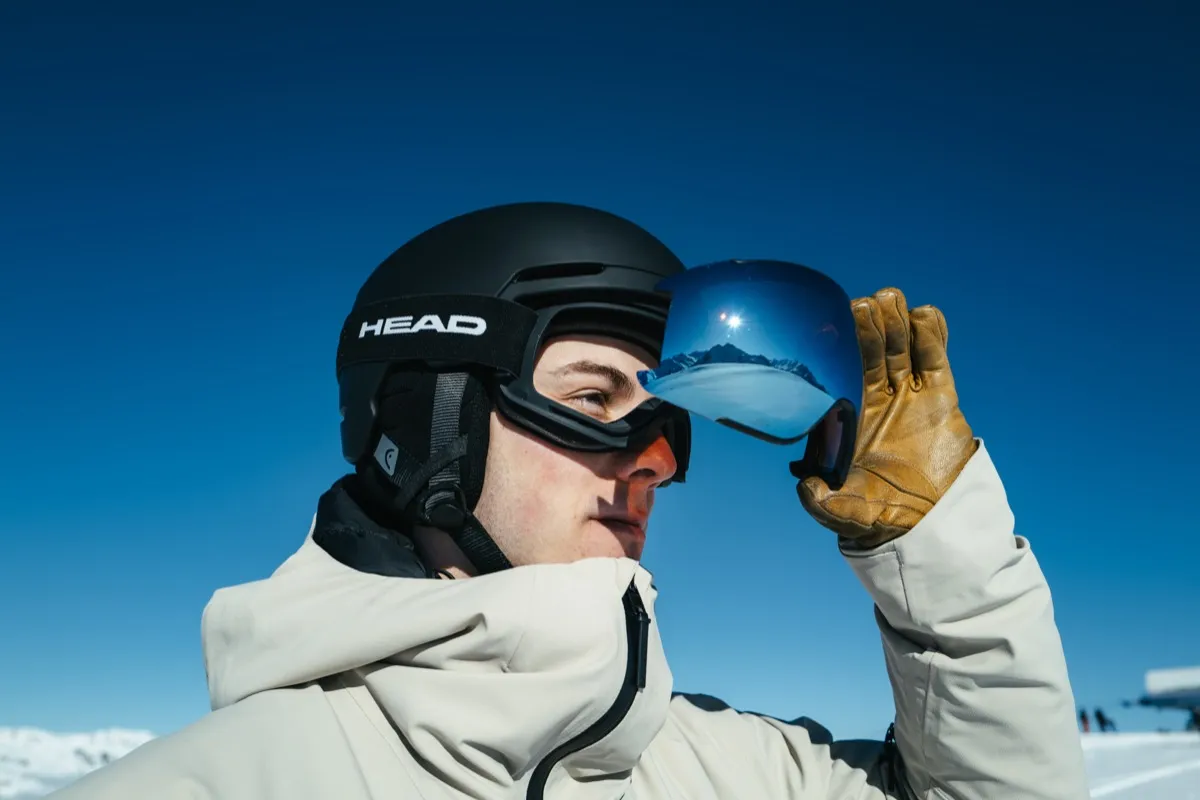
If you want one pair of goggles for all conditions, a photochromic lens is the most convenient solution. It reacts to UV radiation, darkening in the sun and lightening again when it’s cloudy. The Head OTG 5K Photo ranges from S1 to S3—that is, from 43 to 11 percent VLT—the Scott Shield Light Sensitive covers the same range, and the Atomic Revent L HD Photo falls between S2 and S3. All of this happens while you’re sitting on the lift.
Two lenses in a set instead of a half-baked compromise
The alternative is models with an interchangeable lens system. You get a dark lens for sunny conditions and a light one for fog, and you swap them out depending on the day. It used to be a fiddly process, but today magnets hold the lens in place, and you can change it even while wearing gloves. The Scott React and the POC Ciasma are designed exactly this way. If you often ride in poor visibility, these are a better choice than a compromise option.
Fit: Frame size, nose bridge, and face shape
Ski goggles fit properly when they rest evenly all around the face and there’s no gap along the bridge of the nose. Cold air seeps through such a gap, and that’s exactly where the lens fogs up first. That’s why frames come in several sizes and shapes: narrow faces need a smaller frame like the Giro Contour RS, while wider faces with a flat bridge of the nose need a wide-fit shape like the POC Retina WF. Bigger isn’t automatically better—it has to fit snugly. Three-layer face foam is standard today and stays soft even in cold weather.
Ski Goggles for Glasses Wearers: OTG or an Alternative
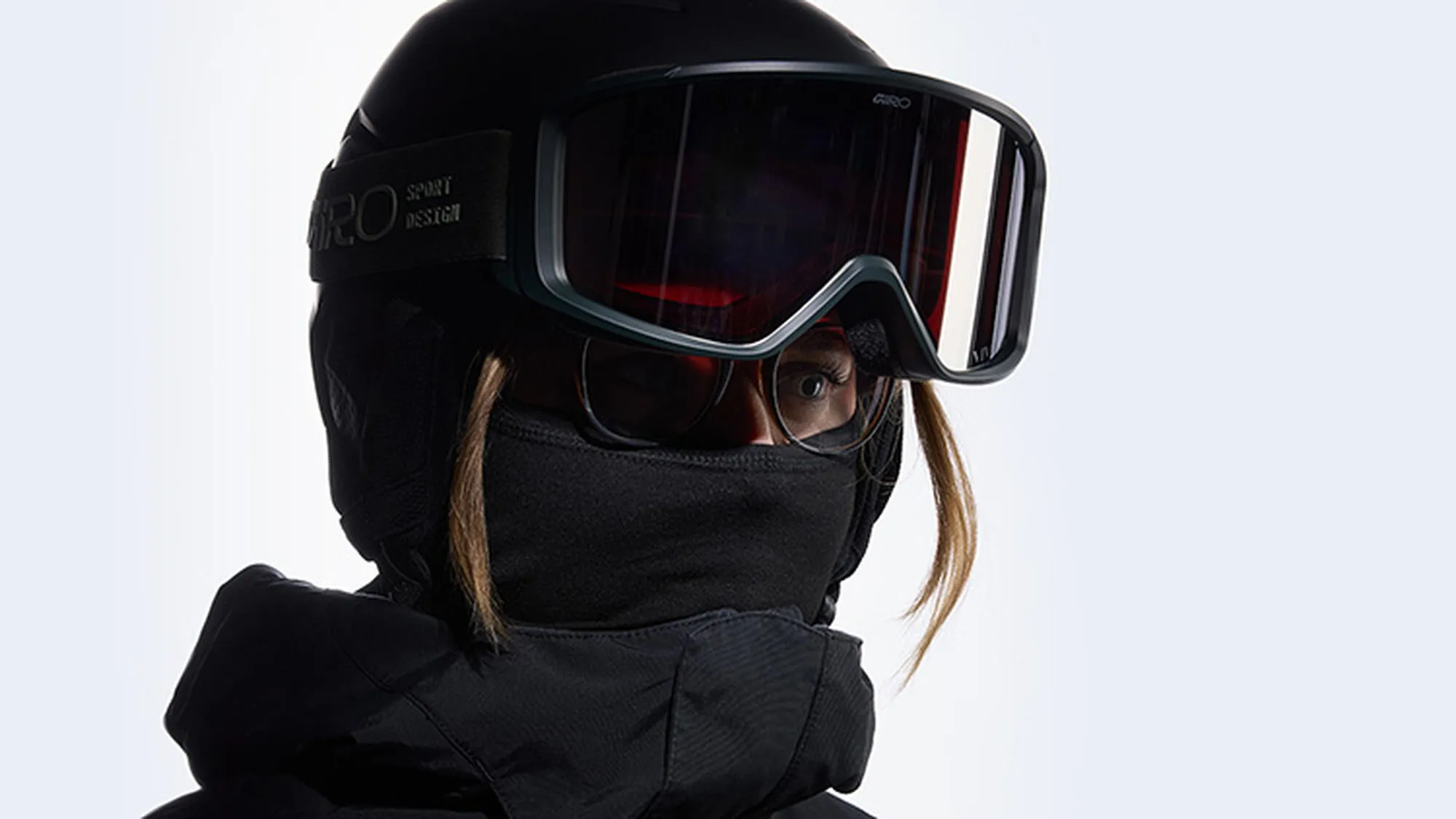
For prescription glasses, there are OTG (Over the Glasses) models. They have a taller frame and cutouts for the temples so nothing presses against your face. The Scott Sphere OTG and the Head OTG 5K Photo are designed for this purpose. It’s important that your glasses are completely hidden under the lens, otherwise you’ll get pressure marks on your temples.
Two alternatives also work: a helmet with a visor, where your prescription glasses stay protected under the visor, or contact lenses plus a pair of regular glasses. For spring tours and cross-country skiing, sports glasses are often sufficient.
Helmets and goggles go together
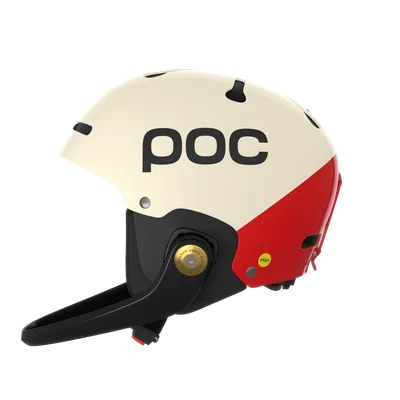
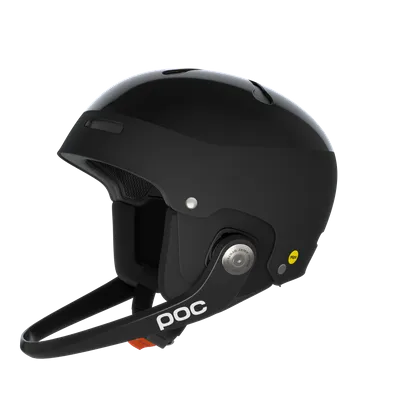
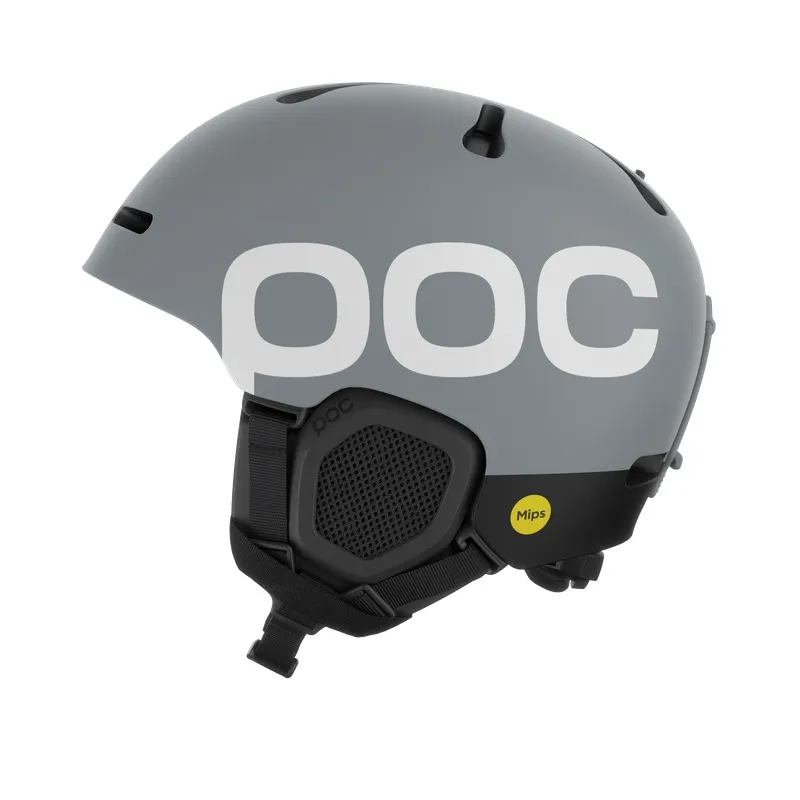
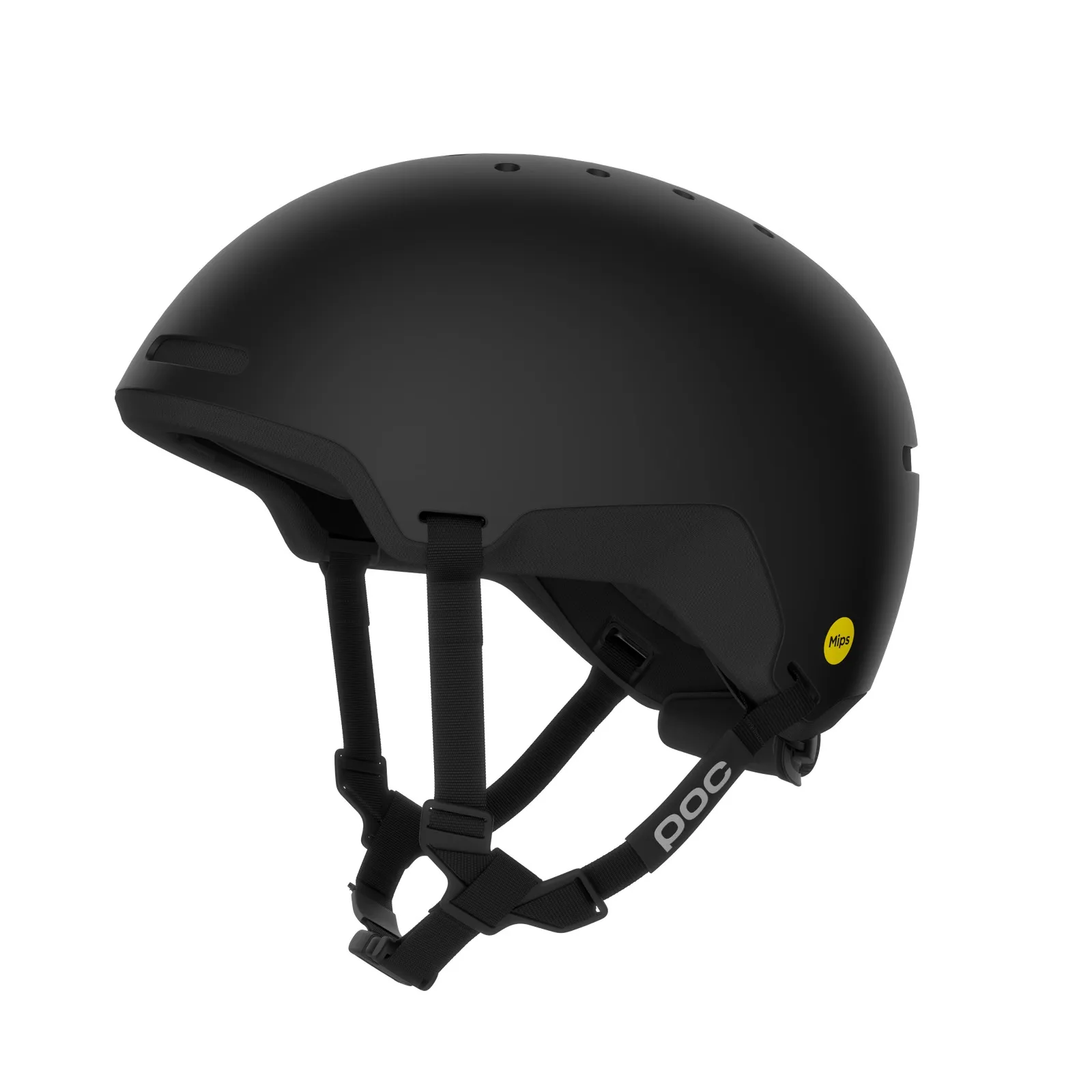
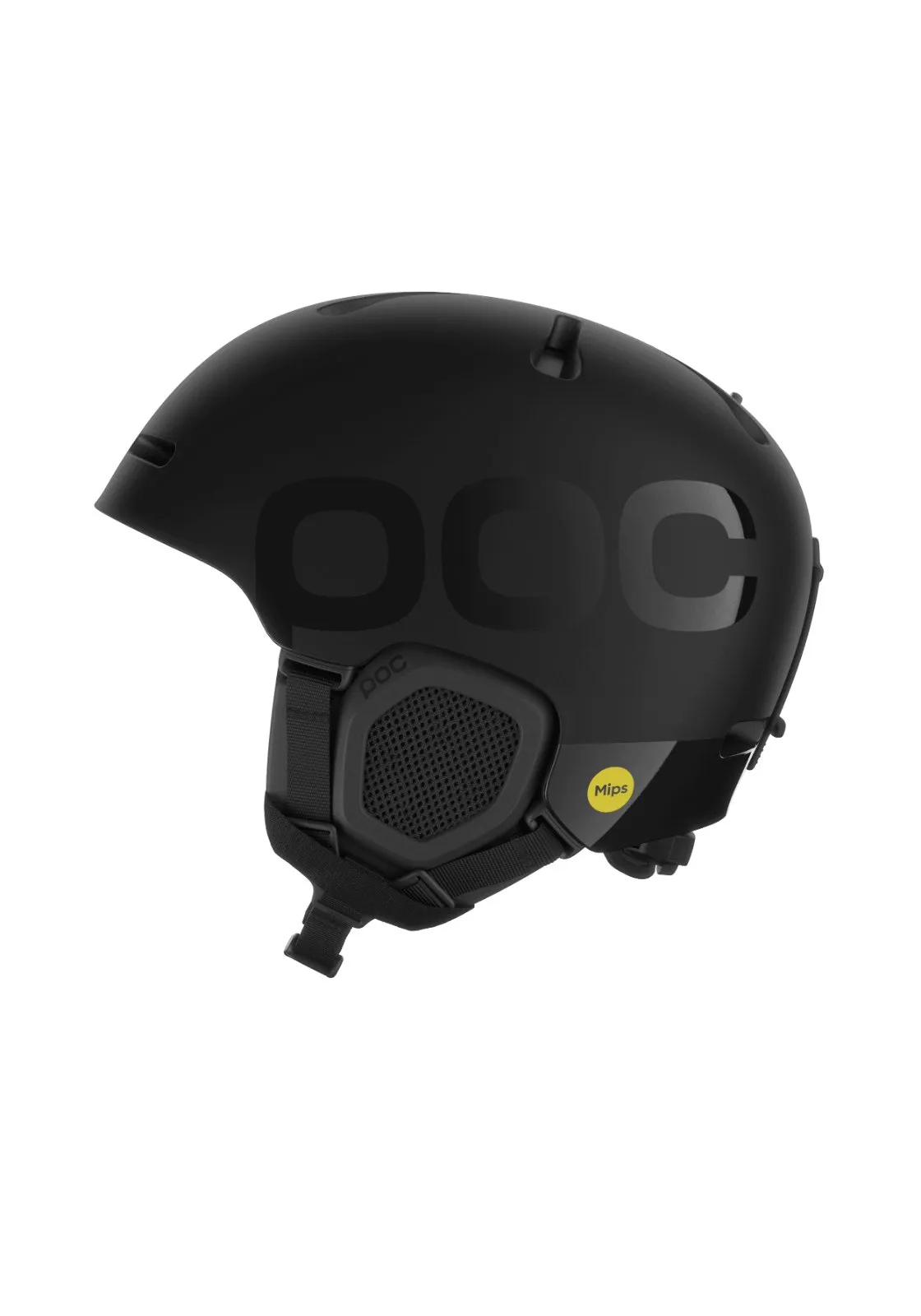
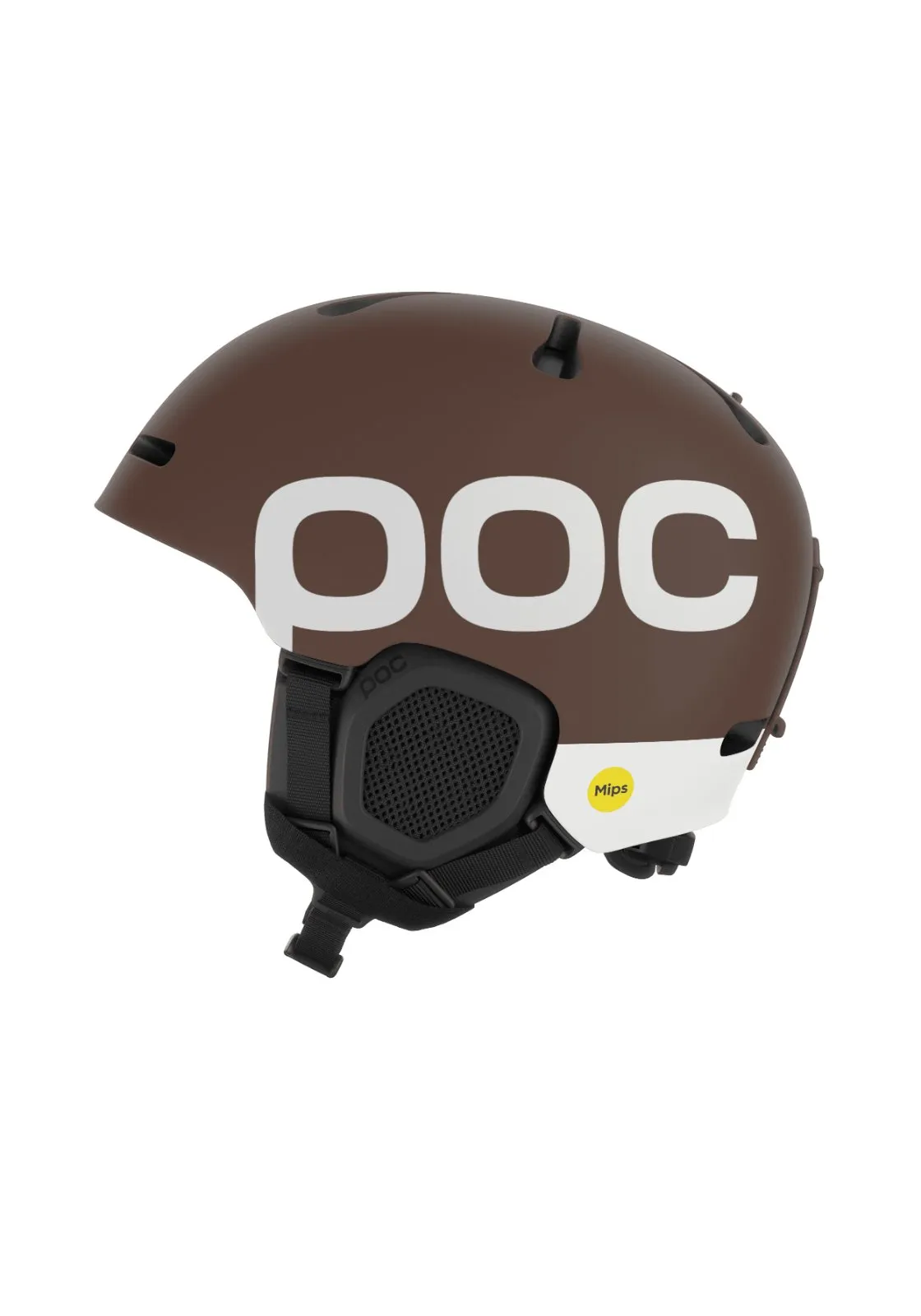
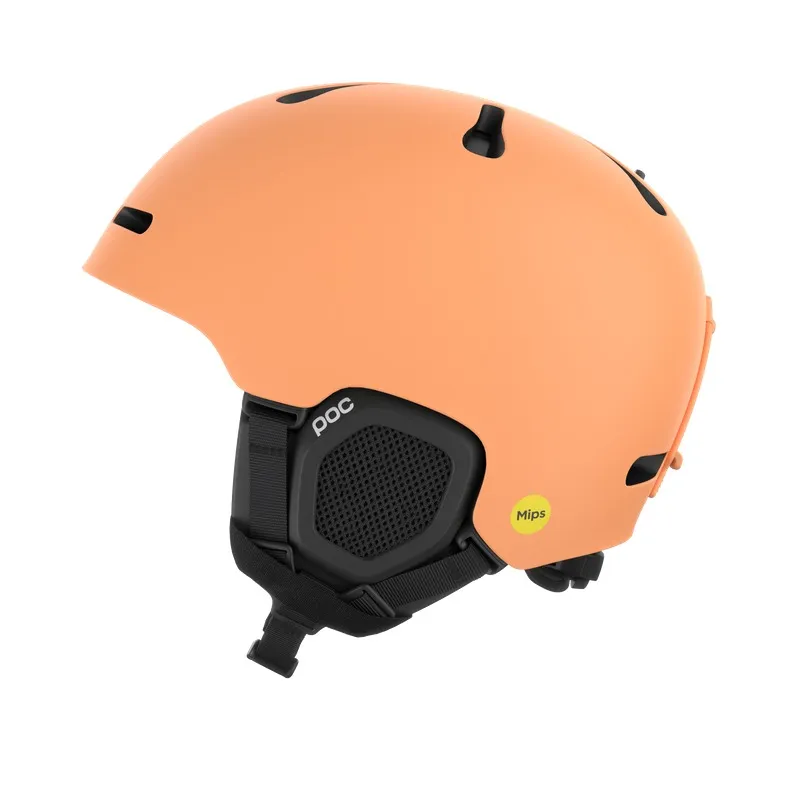
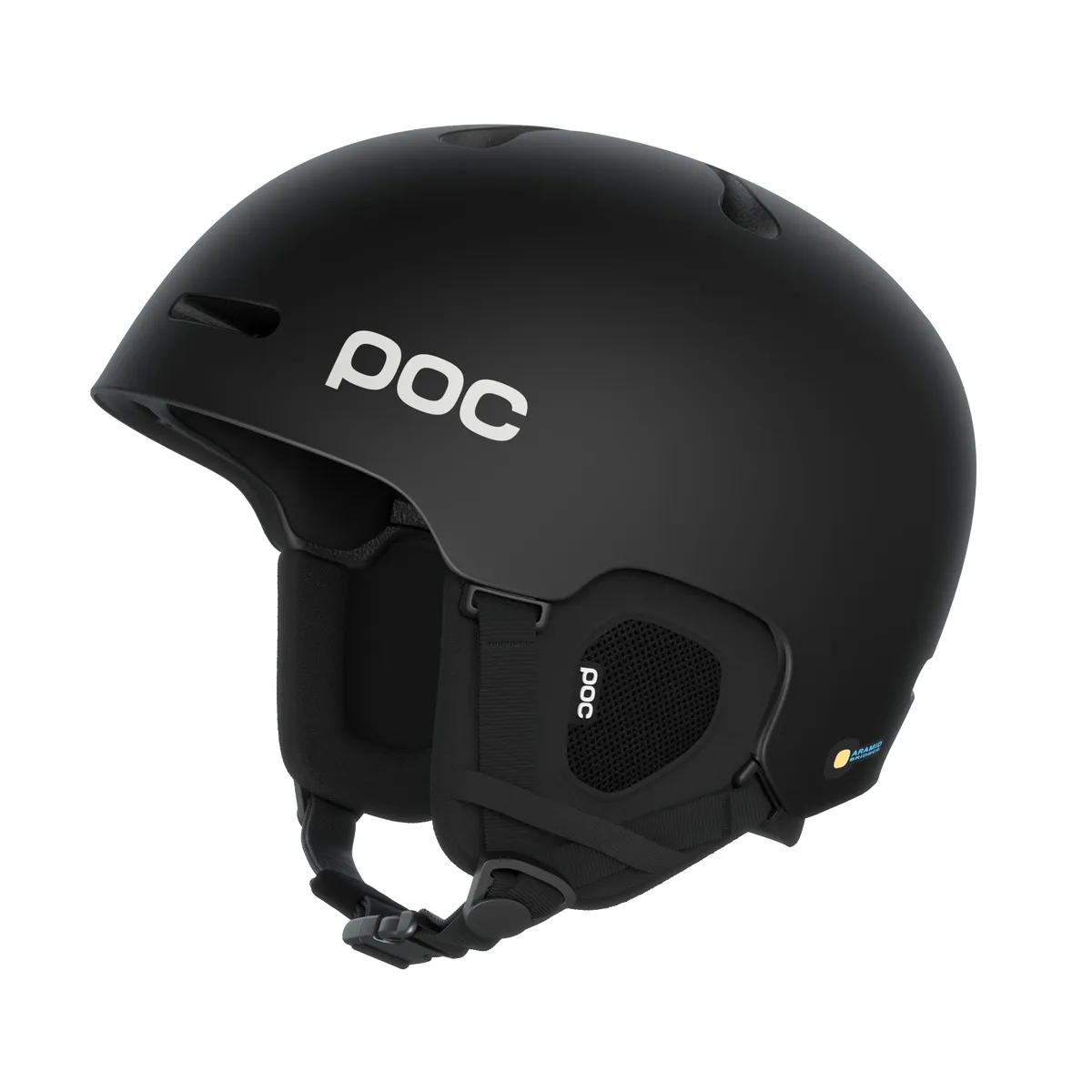
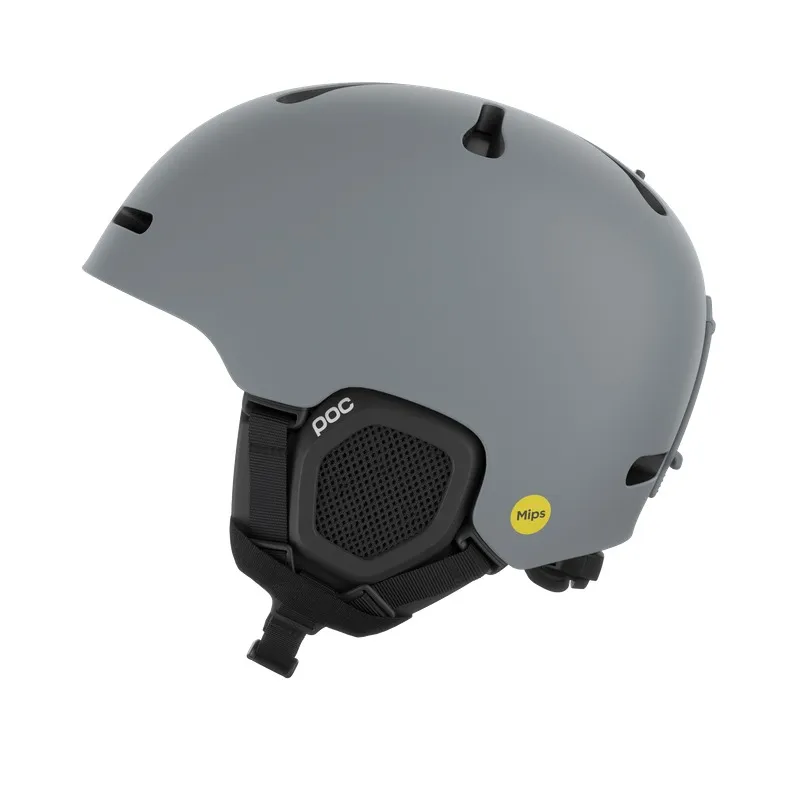
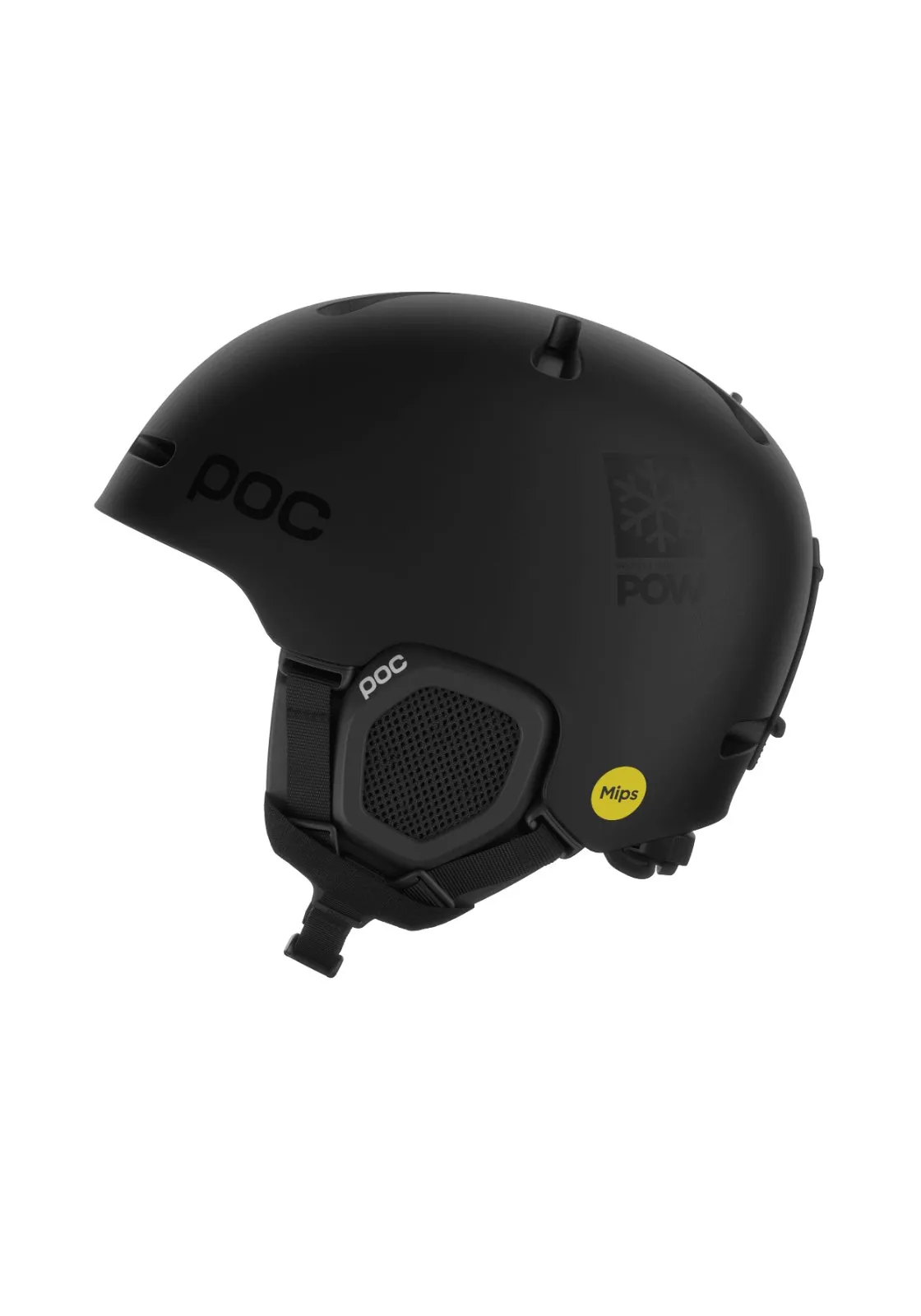
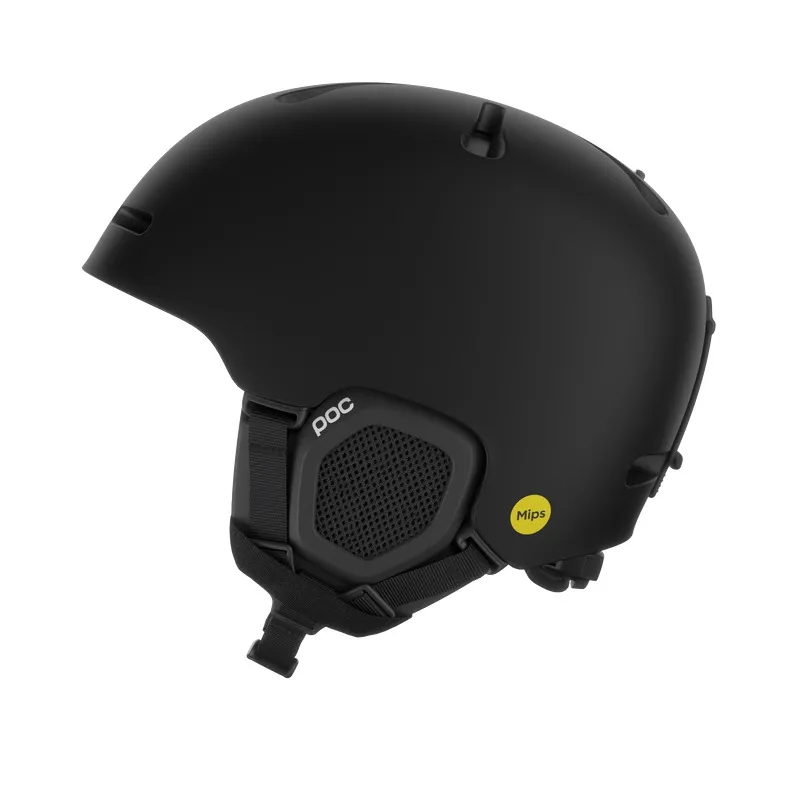
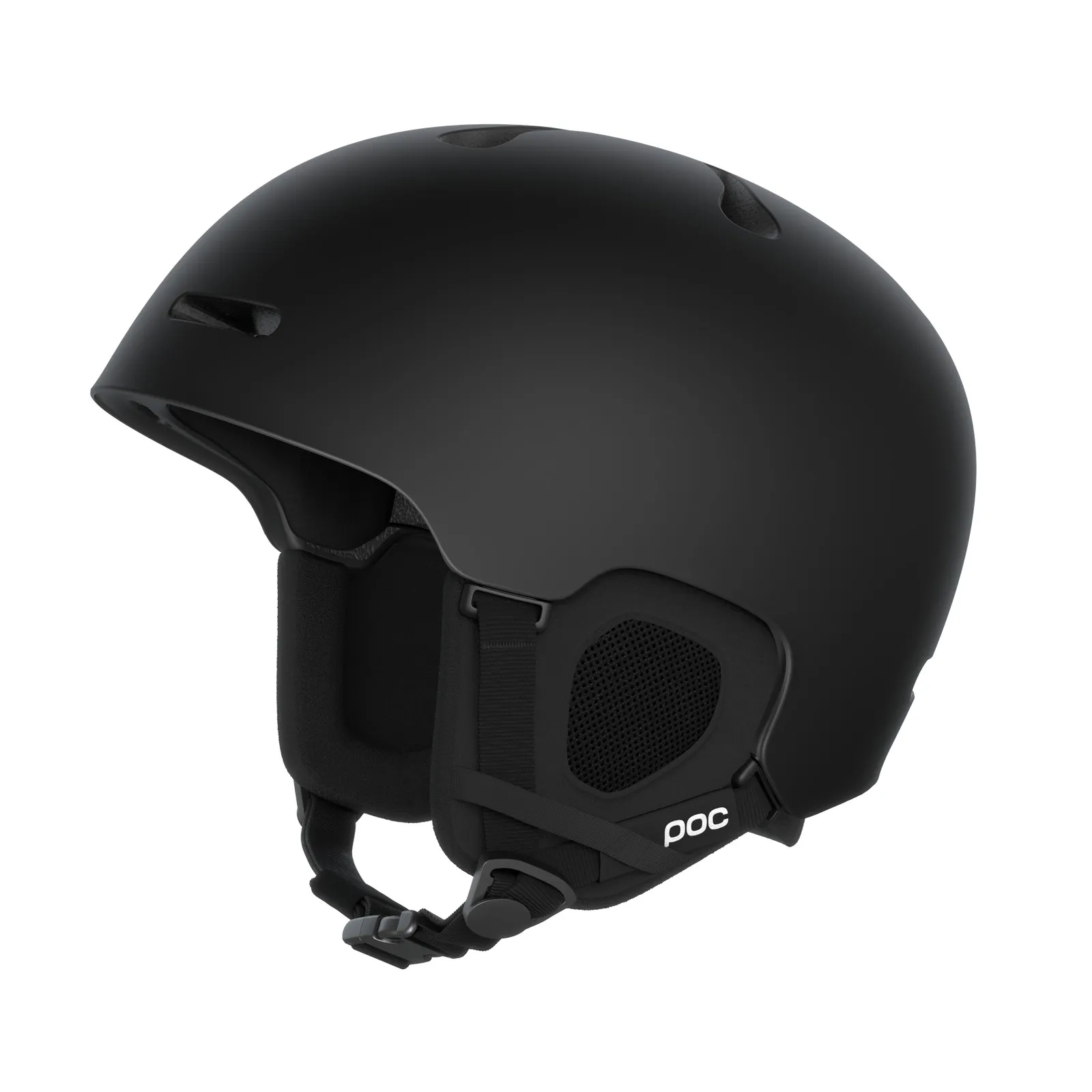
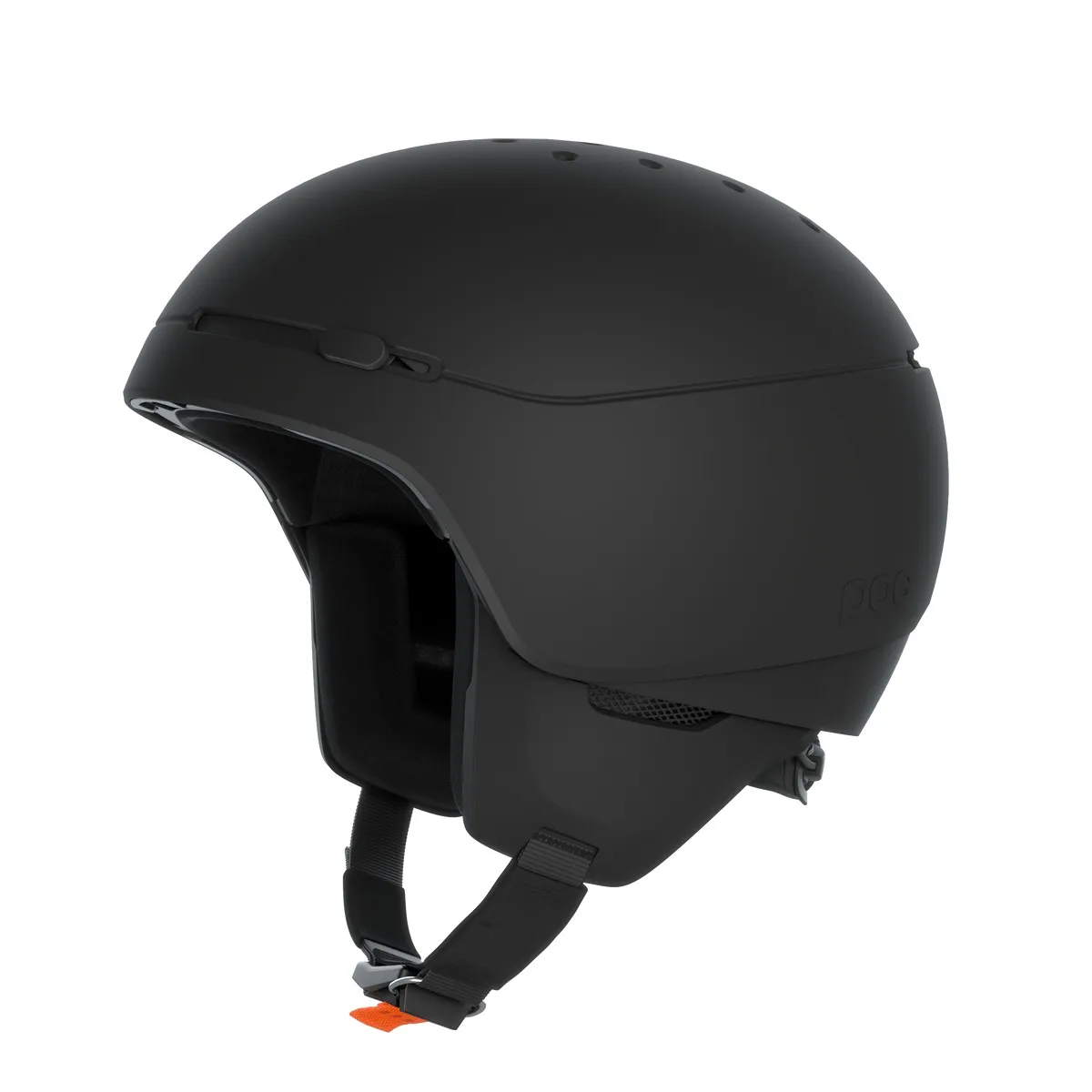
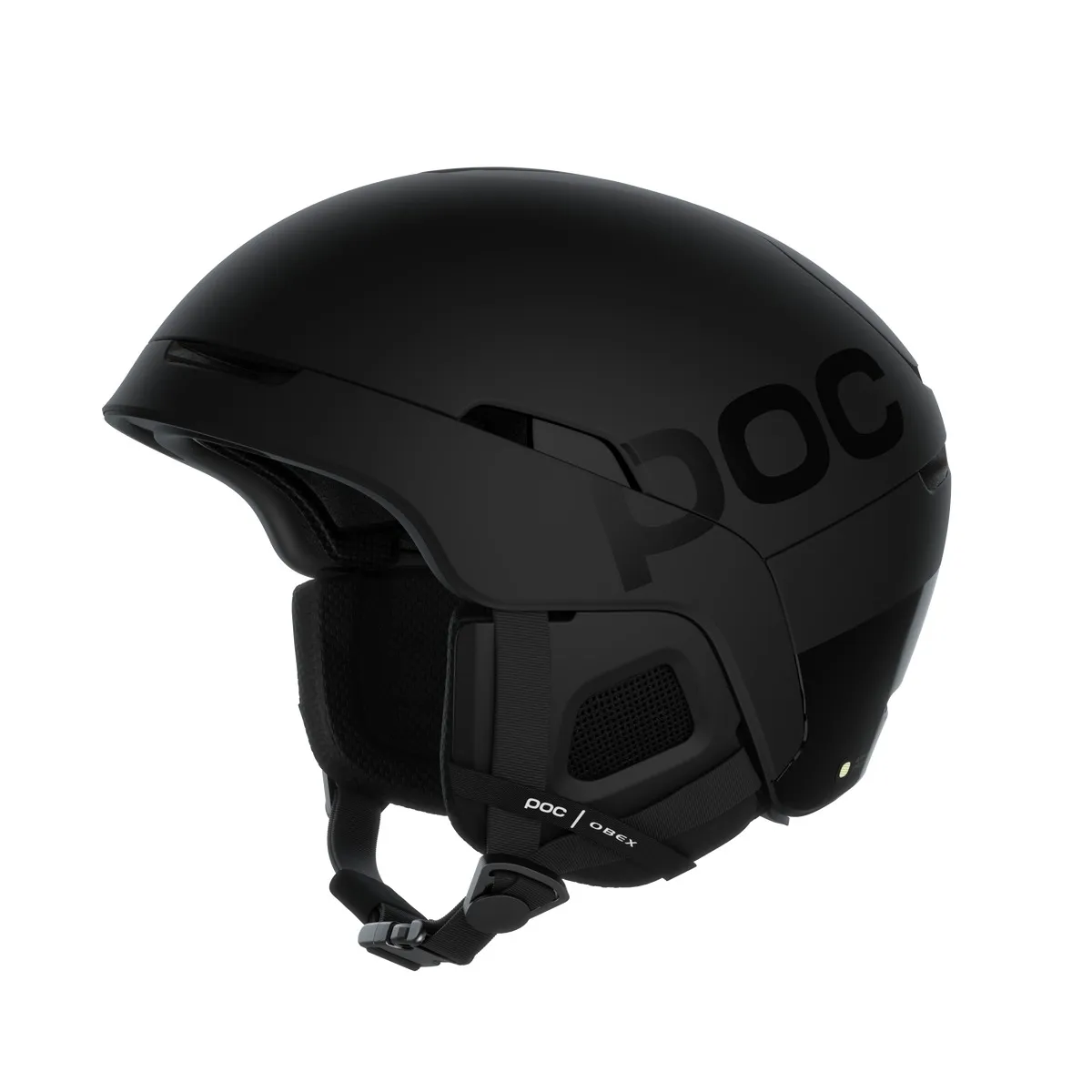
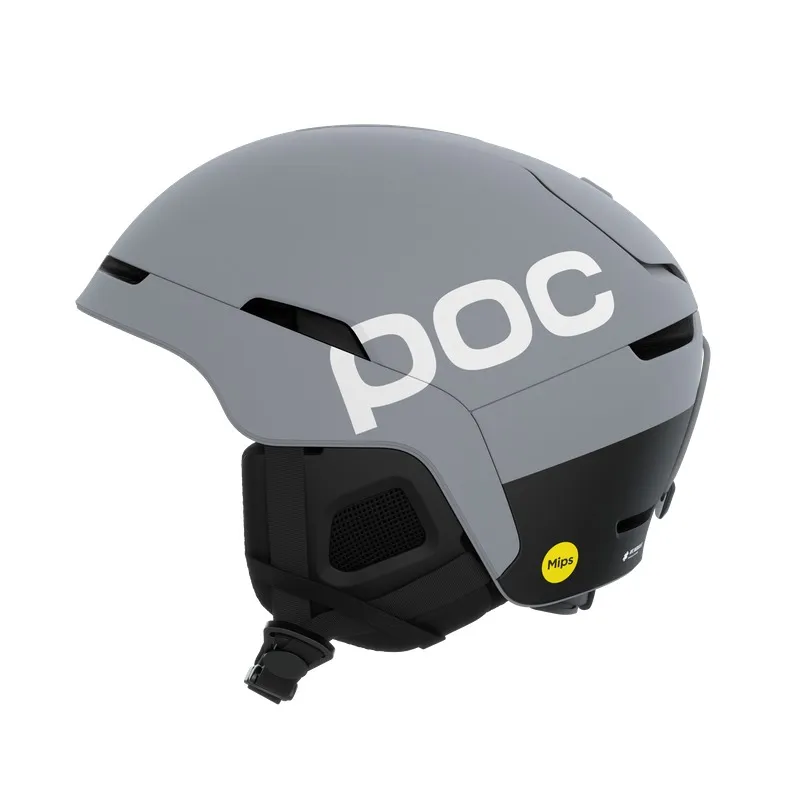
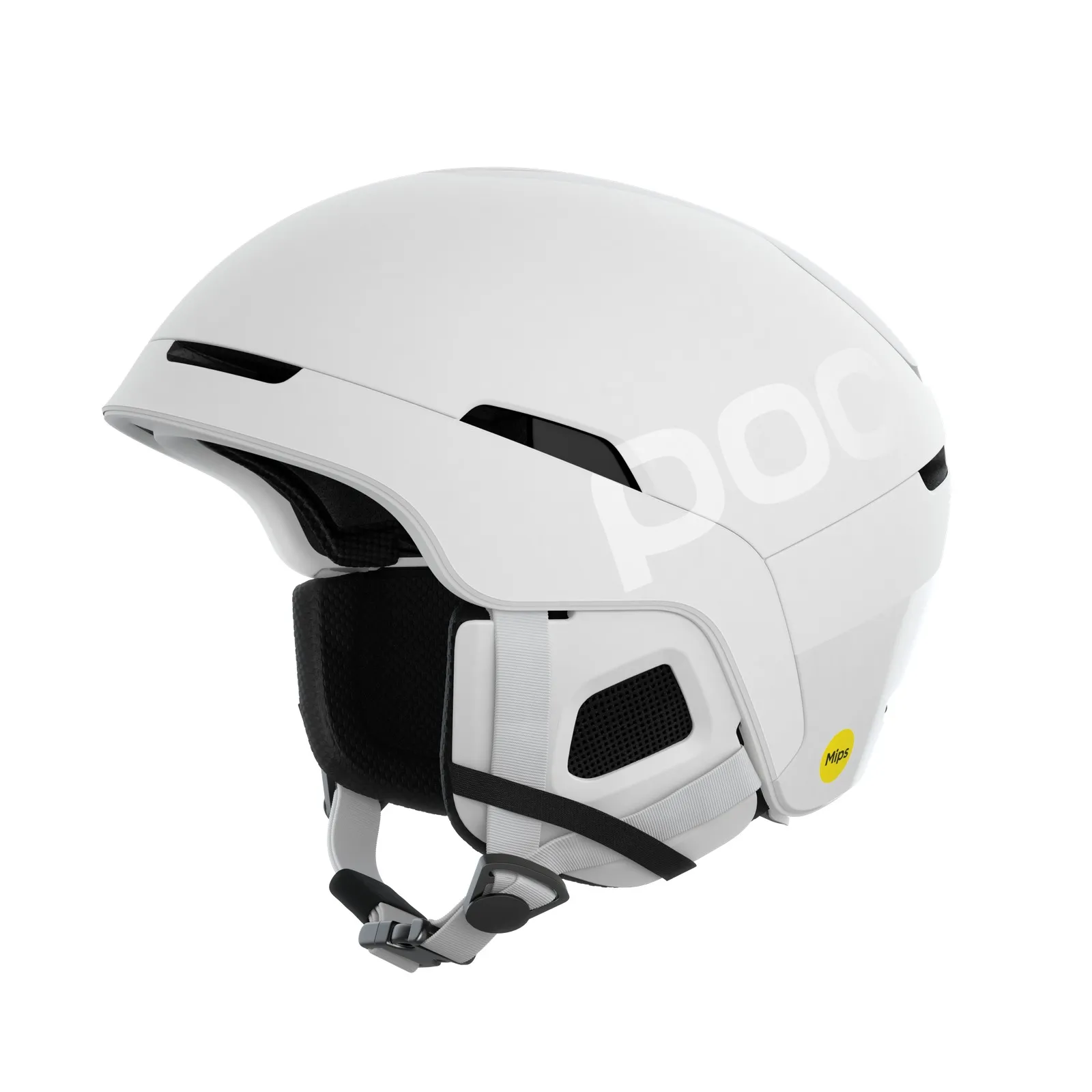
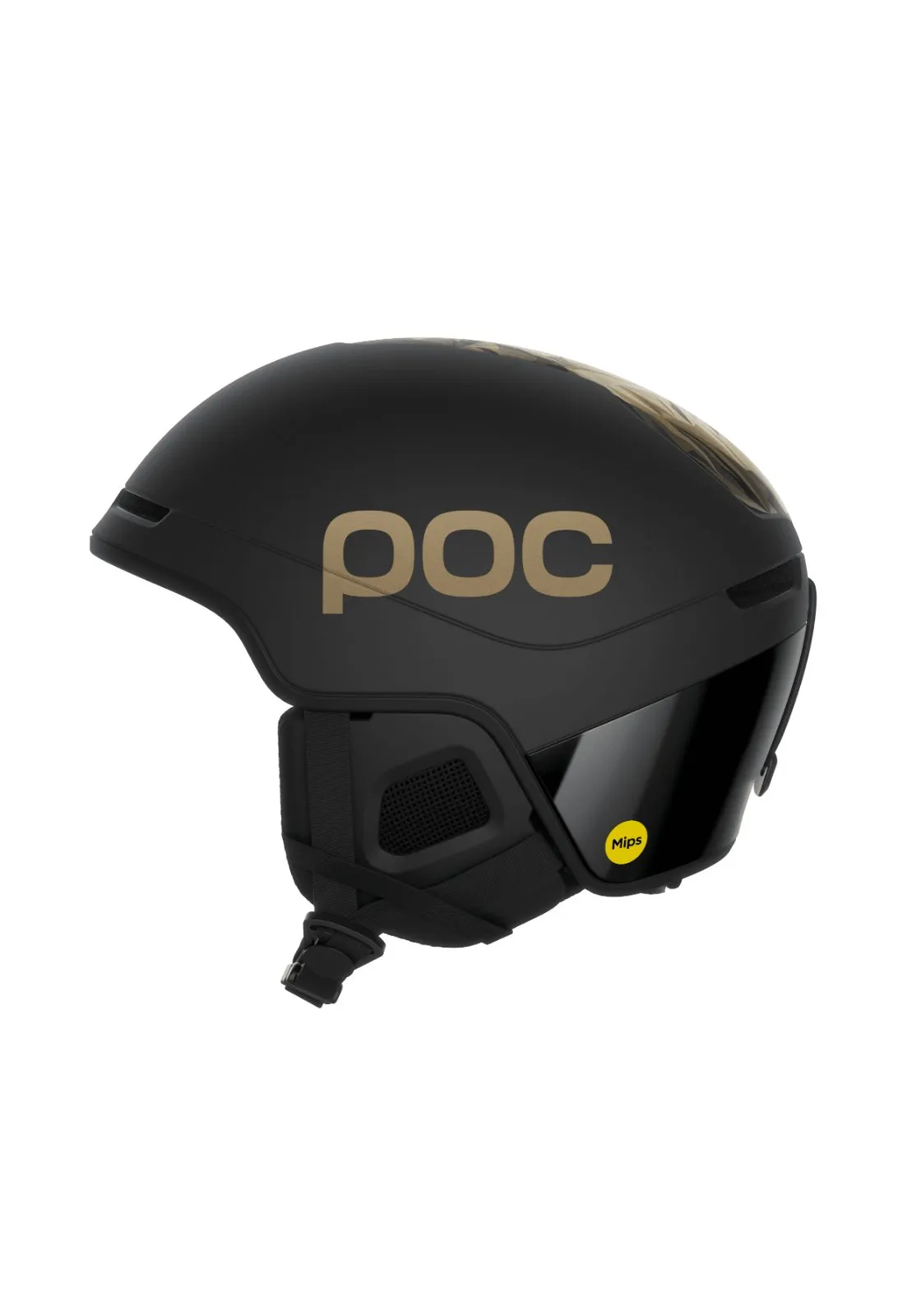
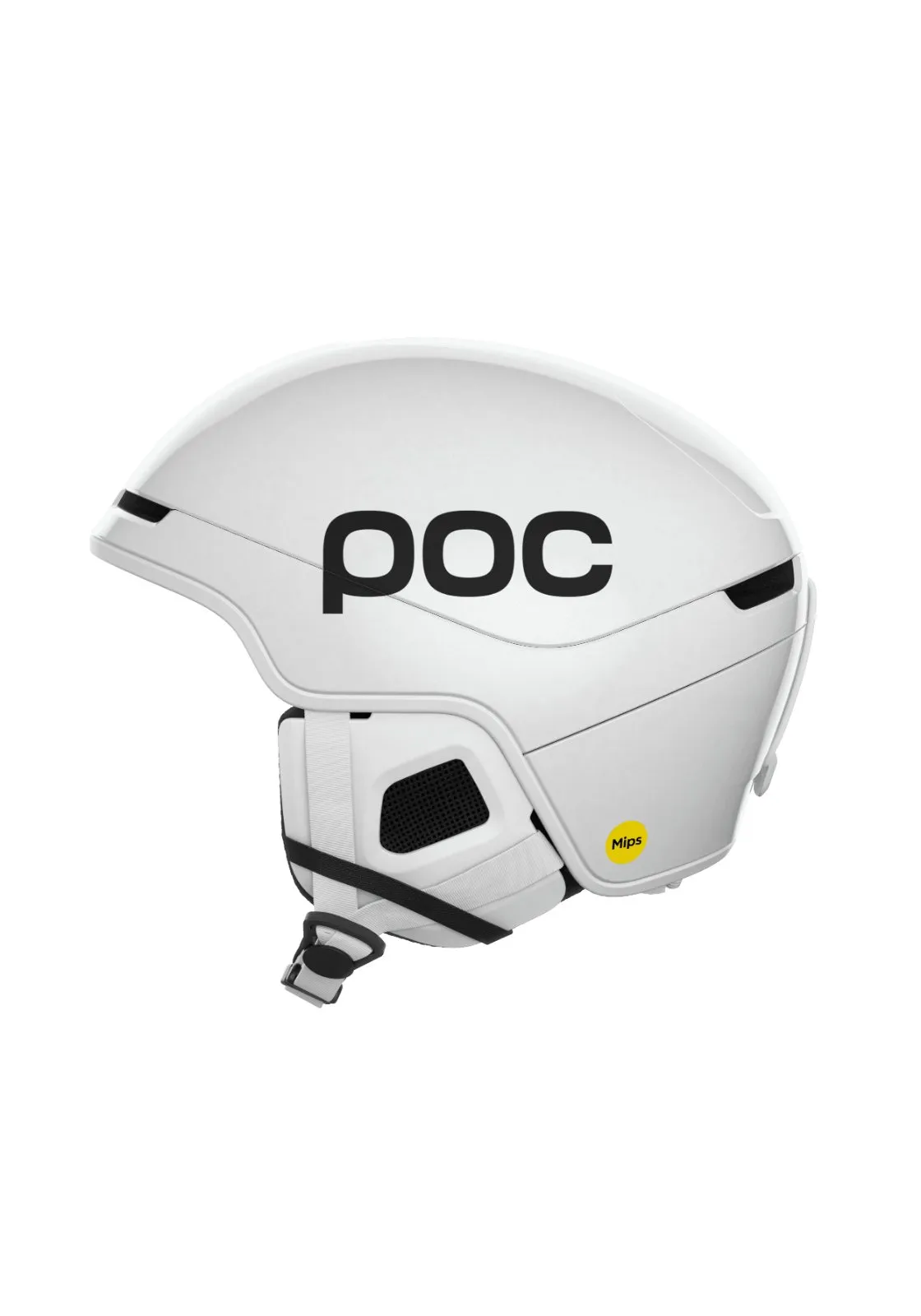
Goggles and a helmet are a system, not a random pairing. The frame must fit into the recess of the helmet without leaving a gap at the top where your forehead is exposed. The strap should go over the outside of the helmet shell, not under it, and should be secured in the helmet’s clip. That’s why you should always try them on together or bring your helmet with you when you’re looking for new goggles. Our ski helmets are right next to the goggles in the store, so you can figure this out in two minutes.
Fogging, Care, and Transport
The inside of the lens has an anti-fog coating, and it’s delicate. Never wipe it with a wet cloth—not even with your sleeve. Let wet goggles air dry at home, then store them in a microfiber pouch, and when you’re on the go, never toss them loose into your jacket pocket with your keys. A gogglesoc or an Airwing goggle protector is inexpensive and prevents exactly the kind of scratches that become annoying later when you’re looking into the sun.
And: Don’t wear your goggles on your forehead while riding the lift. The warm air from your head rises directly onto the lens and fogs it up from the inside. It’s better to slide them forward onto your helmet or keep them off.
Frequently Asked Questions About Ski Goggles
Which lens is best for which weather conditions?
S3 for sunny conditions, S2 for changeable weather, and S1 for fog and snowfall. S4 is the right choice on glaciers and in high mountains. If you don’t want to decide every day, choose a photochromic lens or a model that comes with two lenses.
How long do ski goggles last?
The frame will last for many years; the lens is the part that wears out. As soon as the anti-fog coating has worn off or the outside shows fine scratches, it’s worth getting a replacement lens. After a hard fall onto the goggles, they should be inspected and replaced if there are cracks in the frame.
Can I wear ski goggles over my regular glasses?
Yes, with an OTG model. It has more interior height and grooves for the temples. Try on the combination beforehand, because the shape of your prescription glasses helps determine whether it really fits without any pressure.
Why do my ski goggles fog up all the time?
Most often, this is due to a gap at the bridge of the nose—because the ventilation slots are covered with snow or a scarf, or because the goggles have been resting on a warm forehead for too long. A dry interior, unobstructed ventilation, and a snug fit solve almost all cases.
Is it worth getting a more expensive lens?
Not strictly necessary for tinted lenses alone. What makes the difference are contrast filters, toric-shaped lenses with less distortion at the edges, and durable coatings. Anyone who skis a lot in low-contrast light will notice the difference right away.
Where can I try on goggles and a helmet together?
At our store in Lengnau. Bring your helmet with you, and we’ll check the fit and gap together. If your skis are due for service anyway, you can drop them off at the ski service center right then.