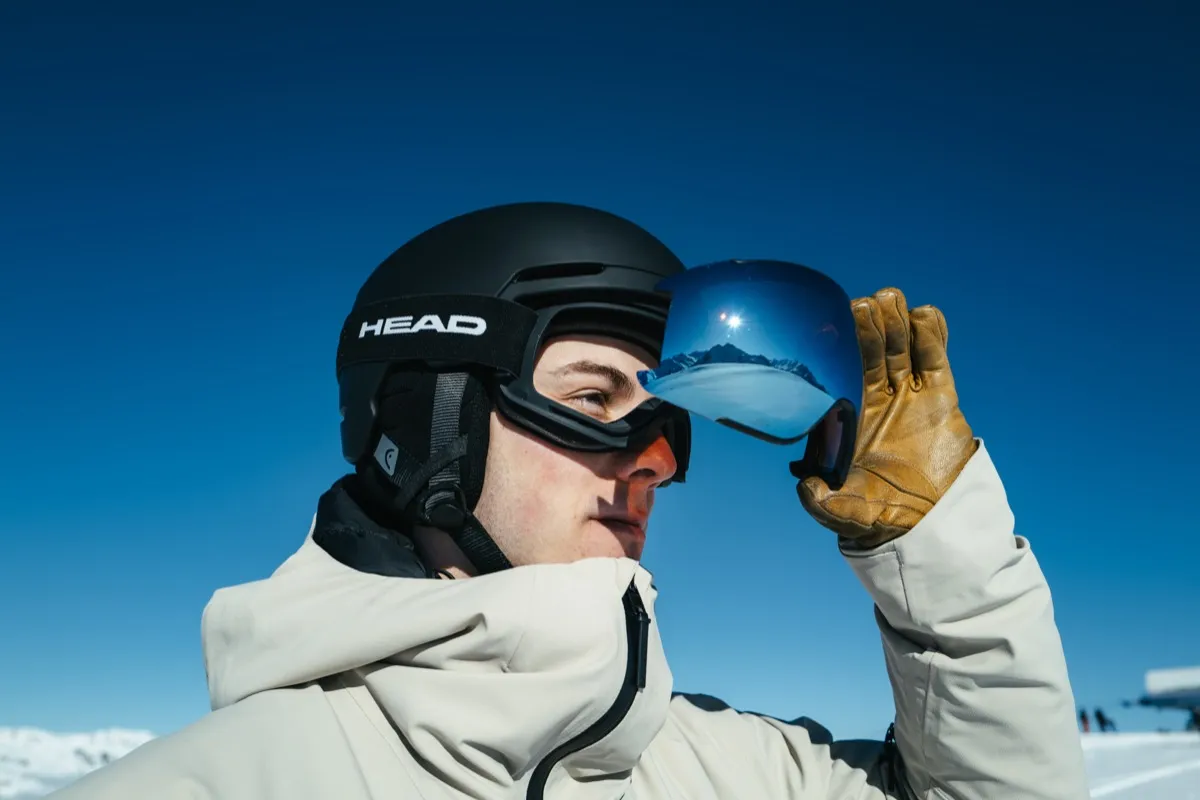
Your helmet is the only piece of gear you’ll need just once in an emergency—and when that happens, it has to fit perfectly. Yet people often buy it on a whim, based on color and price, while spending weeks poring over reviews for their skis. Yet when it comes to helmets, a few centimeters of head circumference determine whether the shell will be where it needs to be at the crucial moment. Now, in the fall, is the best time to do this: All sizes are in stock, and you have time to try on two or three models at your leisure, instead of grabbing just anything on the first day of skiing.
Buying a Ski Helmet: What Really Matters
Four factors determine whether a helmet is right for you: size, standard, rotational protection, and the choice between ski goggles or a visor. Everything else is comfort—important, but only after those factors.
Measure your head circumference and check the fit
Take a measuring tape and wrap it horizontally around your head: one to two centimeters above your eyebrows and around the widest part at the back. The measurement in centimeters is your helmet size. Most adult models cover 51 to 63 cm, divided into S, M, and L, with an adjustment dial at the back of the neck for fine-tuning.
- √ Put the helmet on without fastening the chin strap, and shake your head. If it slips, it’s too big.
- √ There shouldn’t be enough room to fit a finger between your forehead and the padding, but it shouldn’t feel tight either. Pressure points that are noticeable after ten minutes will become unbearable after two hours.
- √ Put on your ski goggles right away. There should be no strip of forehead exposed between the top edge of the goggles and the rim of the helmet.
- √ Wear only a very thin helmet cap under the helmet. A regular hat lifts the helmet off and ruins the fit.
Heads come in different shapes, and two size M helmets can feel completely different. If you’re unsure, stop by with your ski goggles and try both on together.
Class A or Class B: What the EN 1077 Standard Means
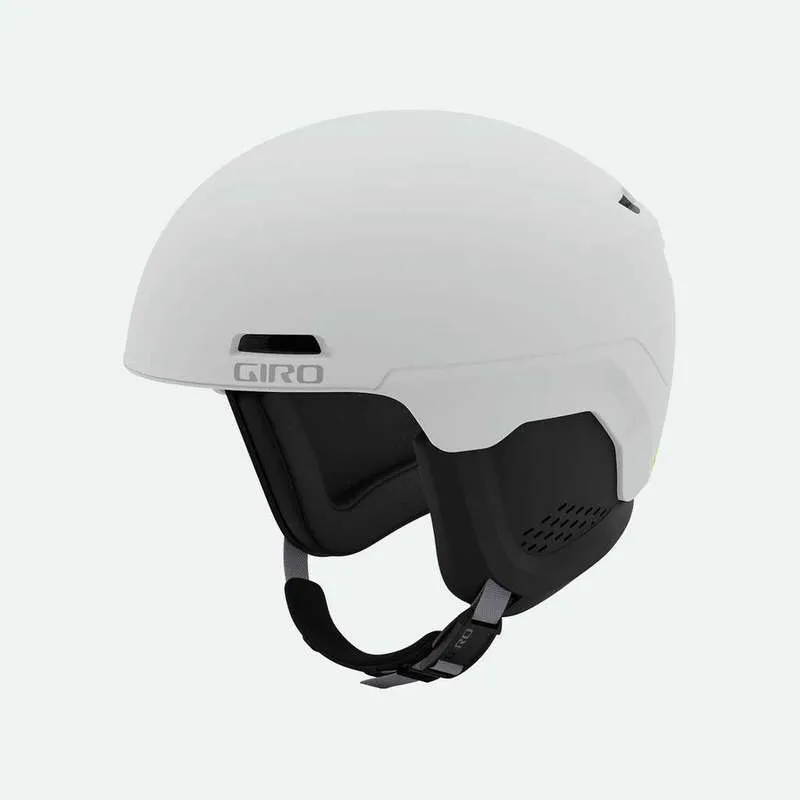
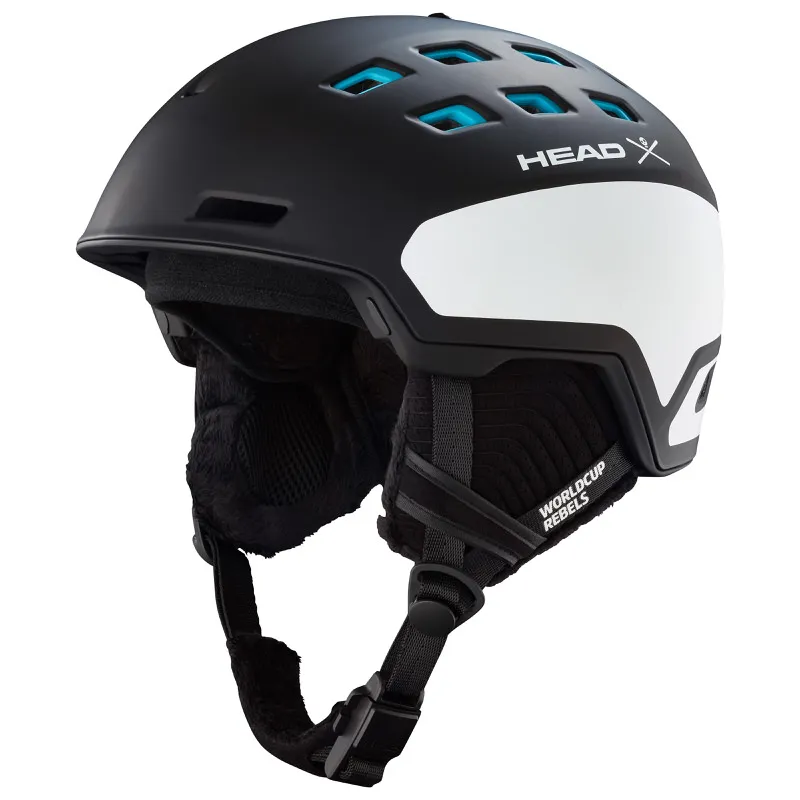
Every ski helmet you buy here is certified to EN 1077. The standard has two classes. In Class A, the hard shell extends over the ears, and the helmet must withstand more in the penetration test. In Class B, the ears are protected by soft material or remain exposed—in return, the helmet is lighter, better ventilated, and you can hear more of what’s going on around you.
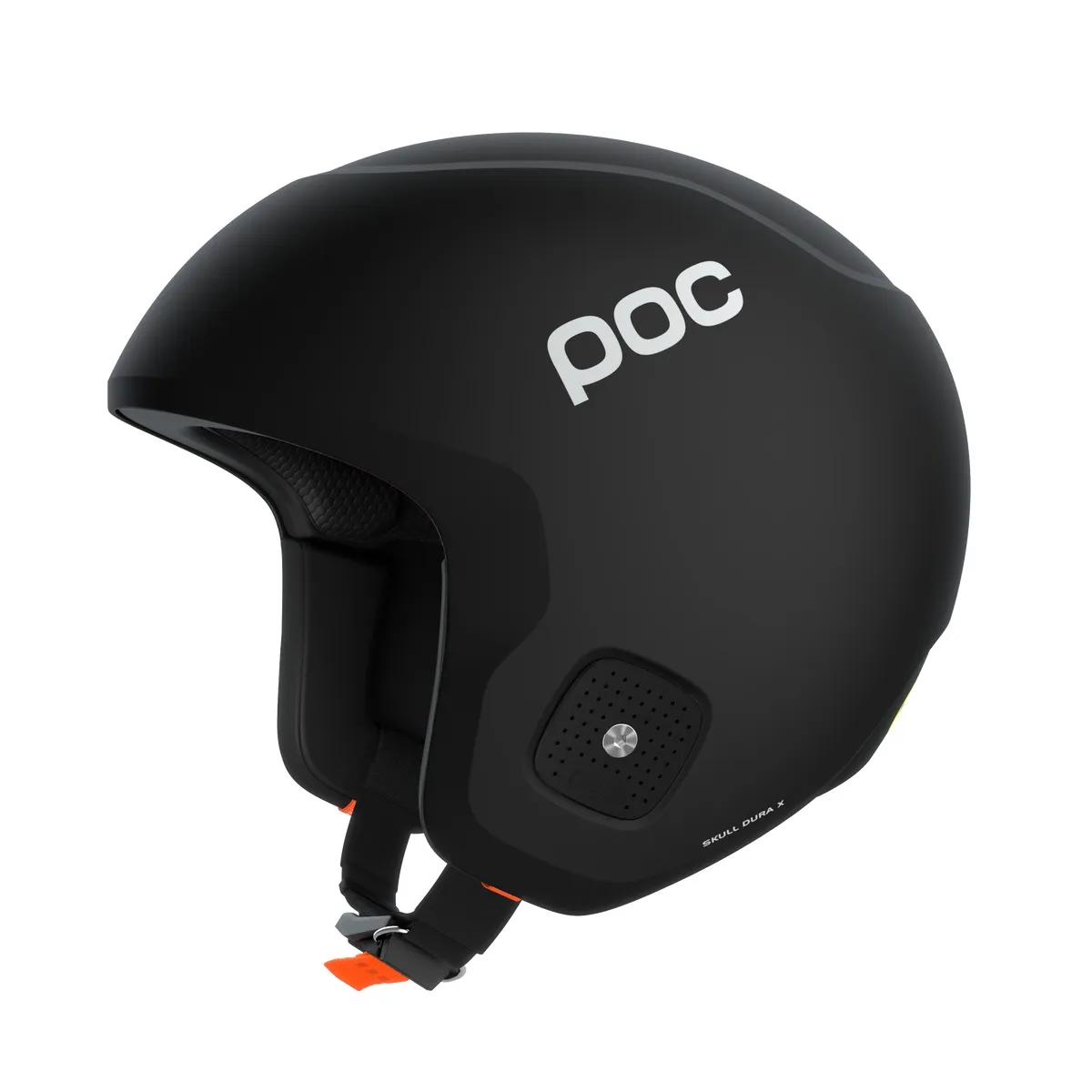
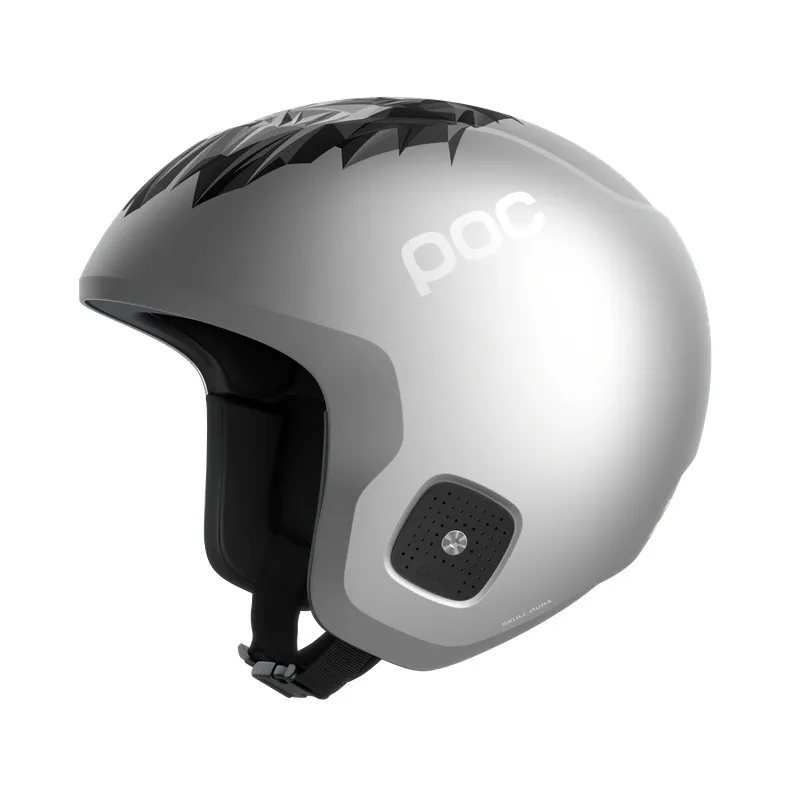
For most skiers on the slopes, Class B is sufficient and more comfortable for everyday use. Class A is the choice if you’re skiing through a slalom course, skiing fast, or spending a lot of time off-piste. In the selection of ski helmets at ski-shop.ch, you’ll find both styles, from ventilated half-shell helmets to compact racing helmets.
MIPS and Rotational Protection
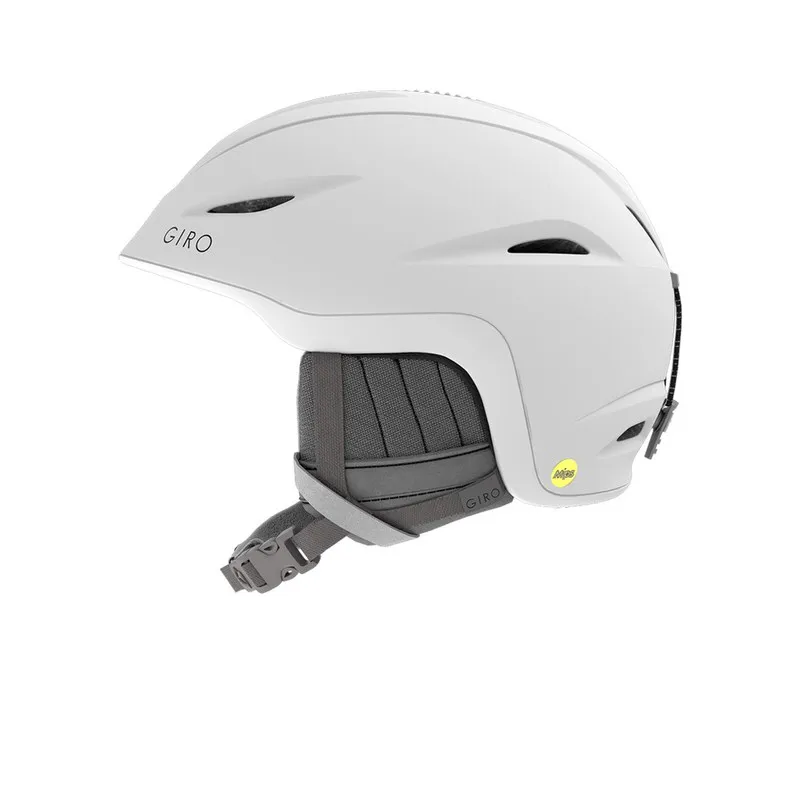
Most falls strike the head at an angle, not head-on. This creates rotational forces that a foam shell alone cannot effectively absorb. MIPS stands for Multi-directional Impact Protection System: a low-friction intermediate layer that shifts against the shell for a fraction of a second during an oblique impact and absorbs some of the rotational energy. Other manufacturers implement the same principle with their own systems. A helmet without rotational protection isn’t unsafe—but one with it offers an advantage for this type of fall.
Helmet with a visor or helmet plus ski goggles
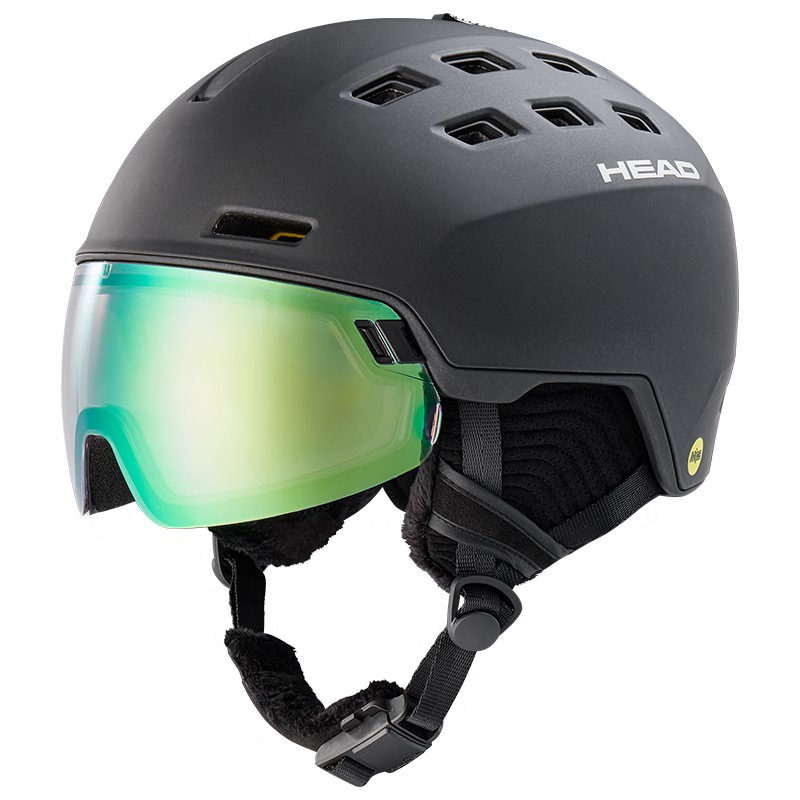
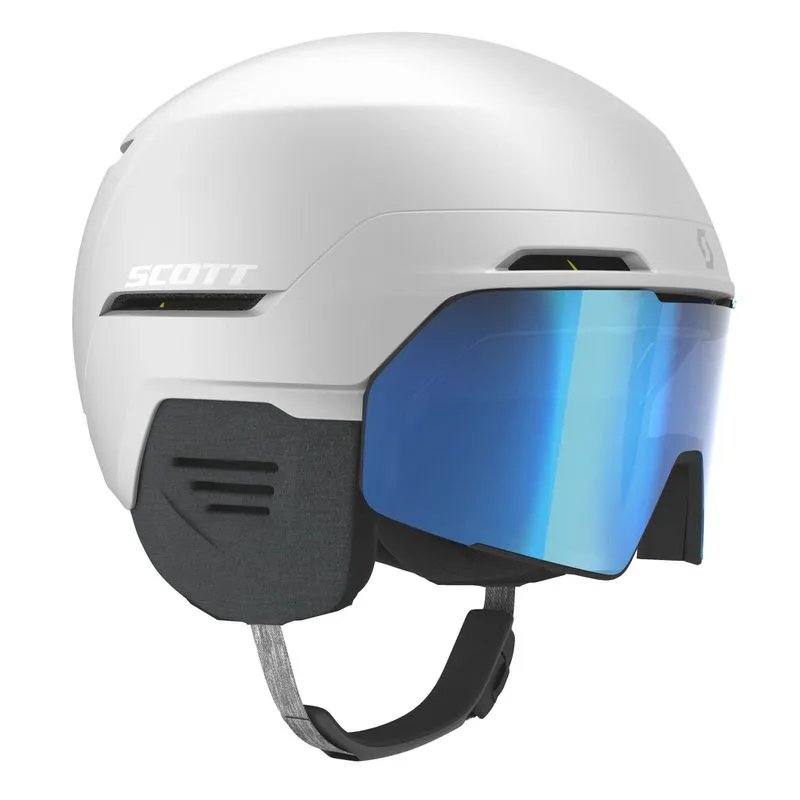
A helmet with a visor has a fixed visor. It sits farther away from the face, fogs up less often, and can be flipped up without having to hold anything in your hand. For people who wear glasses, this is often the most comfortable solution because there’s room for prescription glasses underneath. The downside: You’re limited to the manufacturer’s visors, and replacements are more expensive than a second pair of ski goggles.
The combination of helmet and goggles offers more flexibility: you can change the lens depending on the weather and replace both items separately. The only important thing is that the goggle frame sits flush against the edge of the helmet.
Children’s Helmets and Racing
For children, there’s a strict rule: don’t buy a helmet they’ll “grow into.” A helmet that’s too big will slide forward or to the side in a fall and will no longer provide protection. It’s better to measure their head size anew every season. For racing, the FIS mandates helmets that comply with the FIS RH 2013 standard for downhill, super-G, and giant slalom starting at age 14; these are identifiable by a permanently affixed sticker. If your child skis with a club, check with the coach before making a purchase.
It’s also worth considering the rest of your protective gear: For many, a back protector is essential, and a tube scarf fills the gap between the helmet and jacket. And you should wear the right hat afterward—it doesn’t belong under the helmet.
When a helmet needs to be replaced
The inner foam of a helmet is designed to withstand a single hard impact. It gives way, absorbs energy, and remains deformed afterward—often without any visible signs on the outside. After a serious fall on the head, the helmet should therefore be replaced, even if the shell looks undamaged. Regardless, manufacturers recommend replacing a helmet after about five years because plastics and adhesives degrade over time. And stay away from drill holes, solvents, and paint—these can damage the shell. If you’re unsure whether your helmet is still safe to use, bring it to our store at Lengnau, and we’ll take a look at it together.
Frequently Asked Questions About Buying a Ski Helmet
Is wearing a helmet mandatory for skiing in Switzerland?
No. In Switzerland, wearing a helmet is voluntary, but it is strongly recommended by the Swiss Council for Accident Prevention. In Italy, helmets have been mandatory for all age groups since the 2025/26 season, and in seven Austrian states, they are mandatory for children up to age 15. So be sure to check the regulations before going on a ski trip abroad.
What helmet size do I need?
The helmet size corresponds to your head circumference in centimeters, measured one to two centimeters above your eyebrows. If you fall between two sizes, choose the smaller one and adjust it with the dial—a helmet that’s too big can’t be made smaller.
Is a ski helmet with a visor also suitable for people who wear glasses?
Yes, that’s exactly what they’re for. The visor sits farther away from your face than ski goggles, so there’s room for prescription glasses underneath, and they’re less likely to fog up. Still, make sure the temples of your glasses don’t rub against the helmet padding.
Can I use a bike helmet for skiing?
No. Bicycle helmets are tested to a different standard, provide less coverage for the back of the head, and are not designed to withstand the impacts and temperatures encountered while skiing.
How long does a ski helmet last?
About five years if you don’t take a fall. After a hard impact, it’s immediately unusable because the foam has lost its shock-absorbing properties—even if there’s no visible damage on the outside.