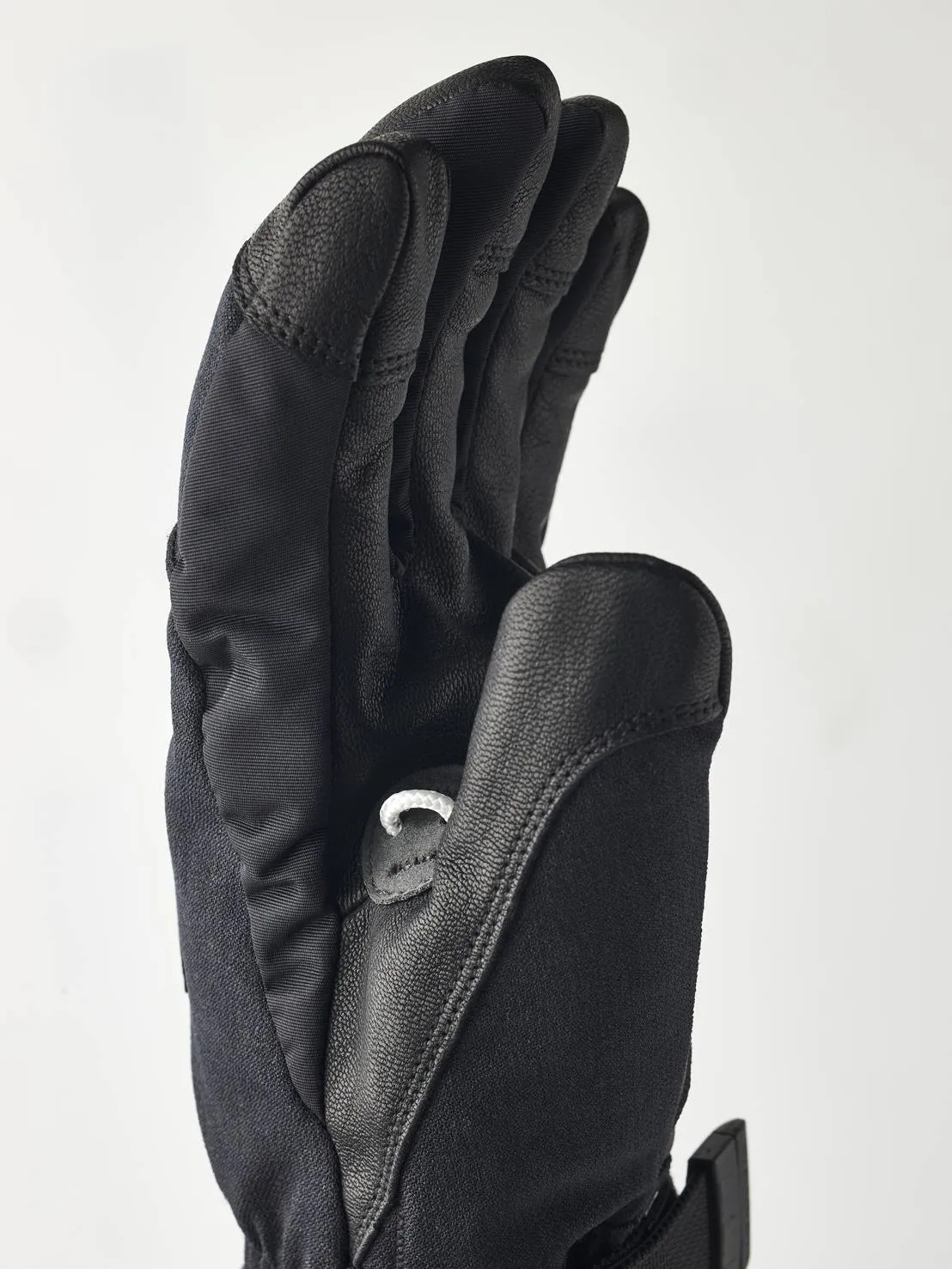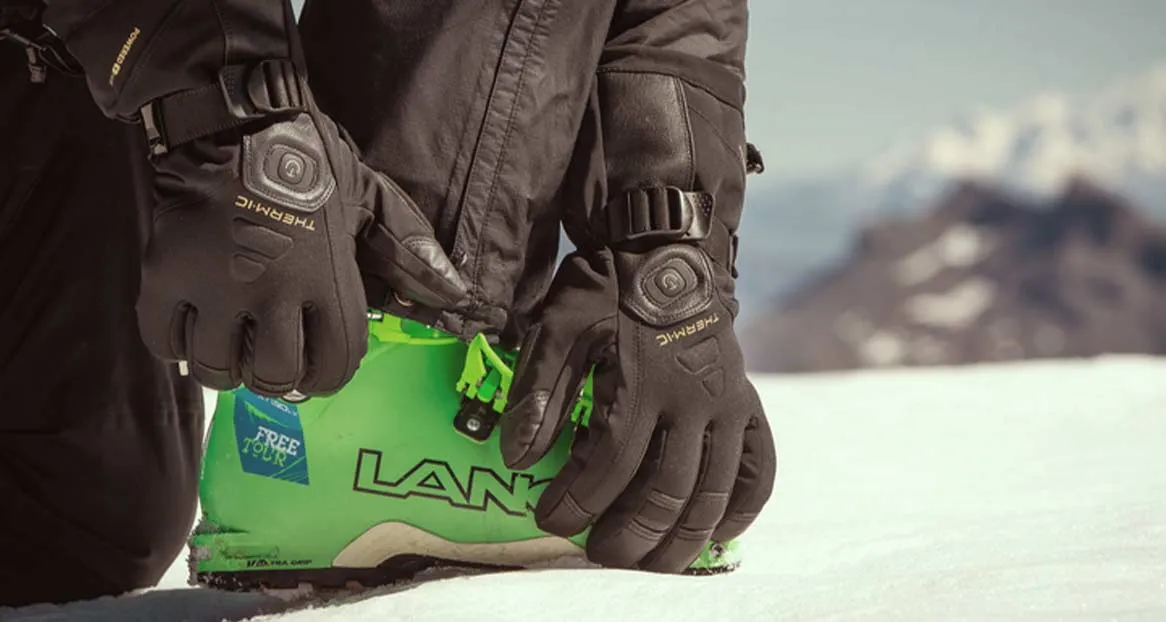
There’s that moment on the chairlift when the wind hits you head-on and your fingers go numb within ten minutes. Thick gloves, liner gloves, tucking them under your armpit—nothing really helps. That’s exactly why there are gloves with built-in heating: a battery at the cuff, heating wires across the back of the hand and fingers, three heat settings at the touch of a button. What looked like a DIY solution ten years ago is now a standard pair of ski gloves with a membrane, leather on the palm, and touchscreen functionality—only now they’re powered by electricity.
When the heating feature is really worth it
A good, dry, and properly fitting pair of gloves is sufficient for most days on the slopes. Before you spend money on electronics, read the guide on warmth, materials, and fit —often the problem is a glove that’s too tight or a lining that’s gotten damp. Wet gloves don’t provide warmth.
The heating system really shines where blood circulation fails: with white, cold fingers (Raynaud’s), after frostbite, for ski instructors and ski patrol members who stand for hours on end, or simply when all you can think about after every lift ride is your hands. Then the question isn’t whether it’s worth it, but which system is right for you. You’ll find an overview of what’s currently available in the heated gloves section.
Heated gloves: how the warmth works at the push of a button
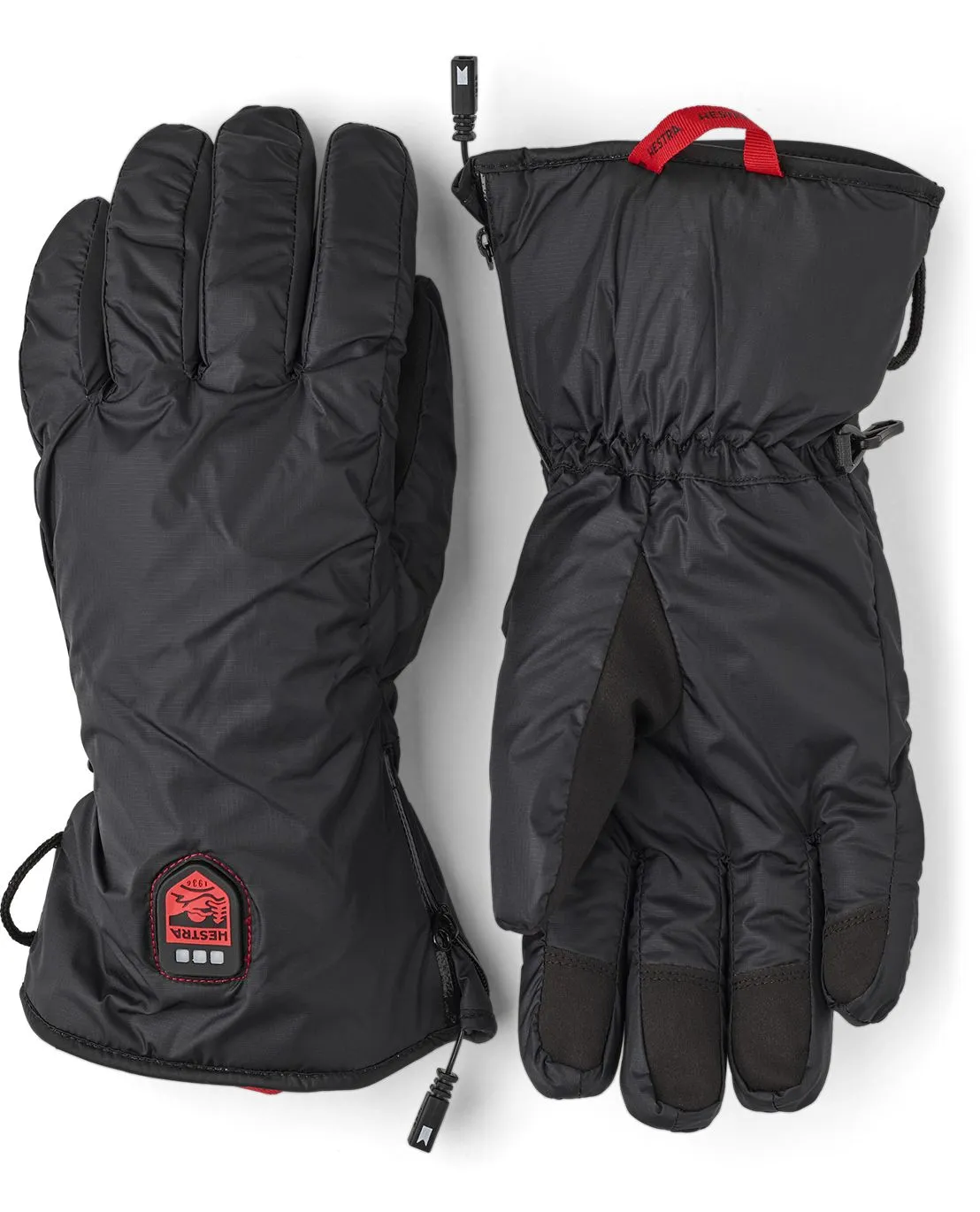
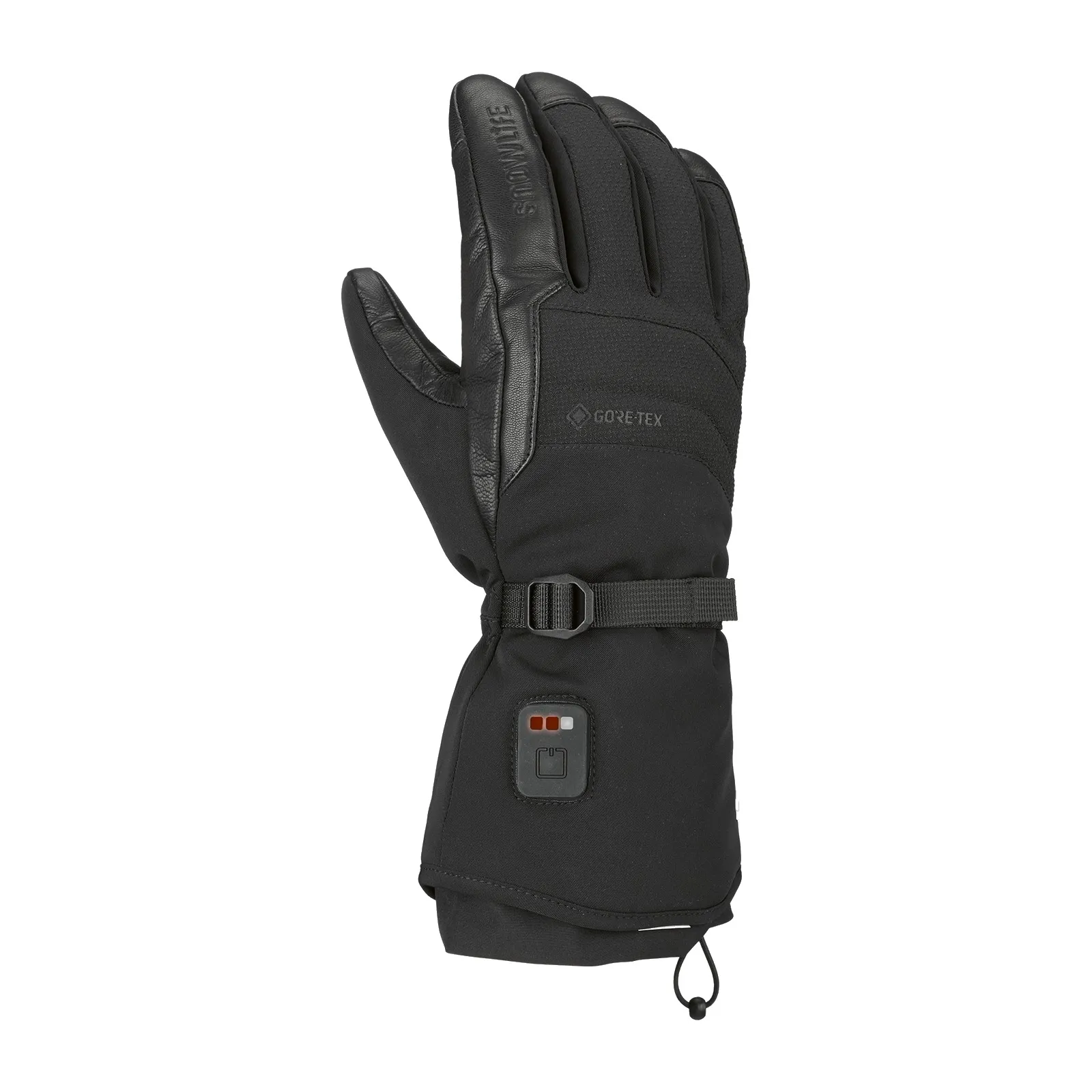
The gloves contain thin heating elements, usually running across the back of the hand and extending to the fingertips—that is, exactly where the cold hits first. They’re controlled via a button on the cuff or directly on the battery, which is stored in a removable pocket on the wrist. Important to note: The heating doesn’t replace insulation—it complements it. A heated glove is always also a well-constructed winter glove with a membrane and insulation.
Battery, runtime, and heat settings
In practice, the three settings mean: Setting 1 lasts all day; Setting 3 is for the lift in strong winds and drains the battery in two to three hours. So don’t count on the maximum rating—expect a mix of the two.
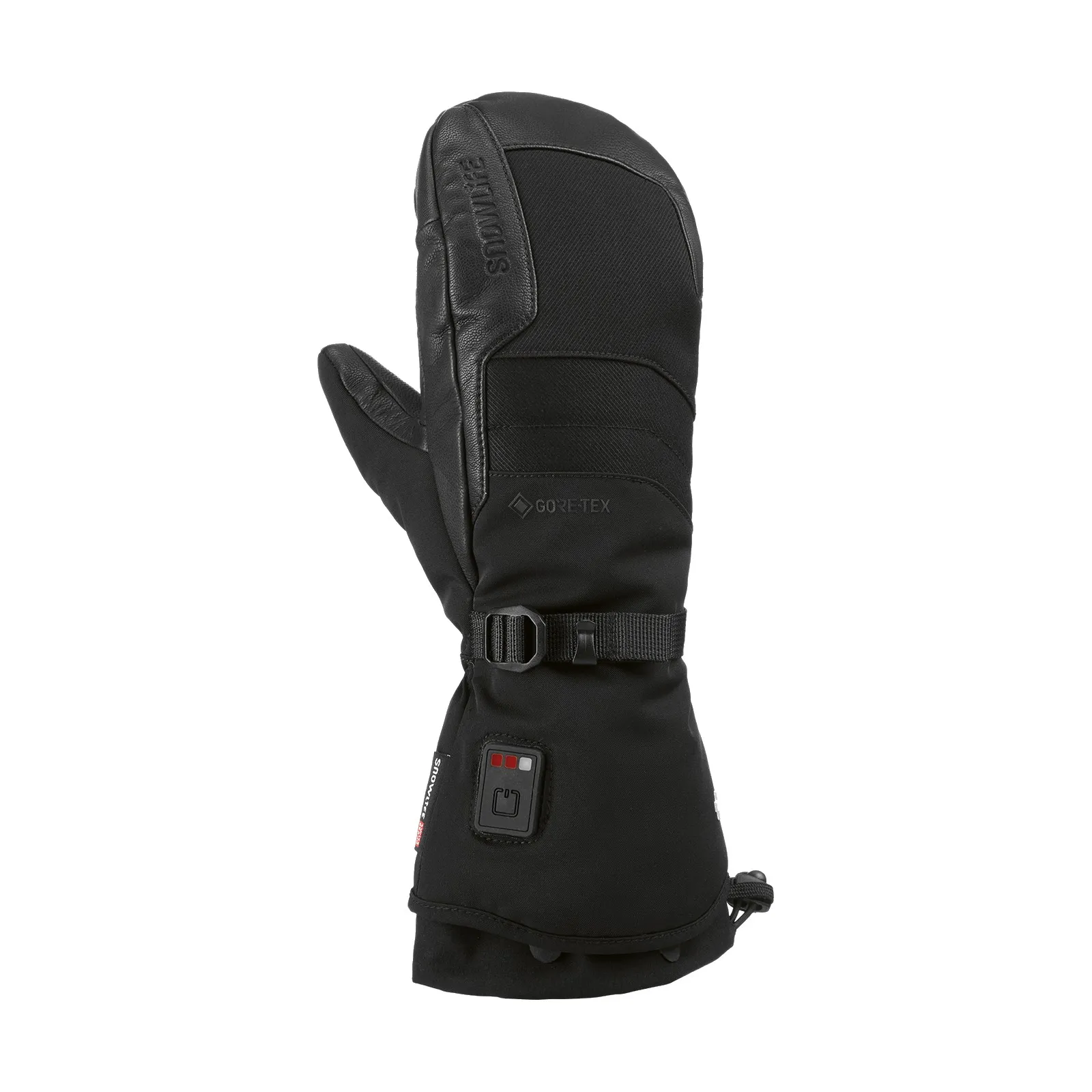
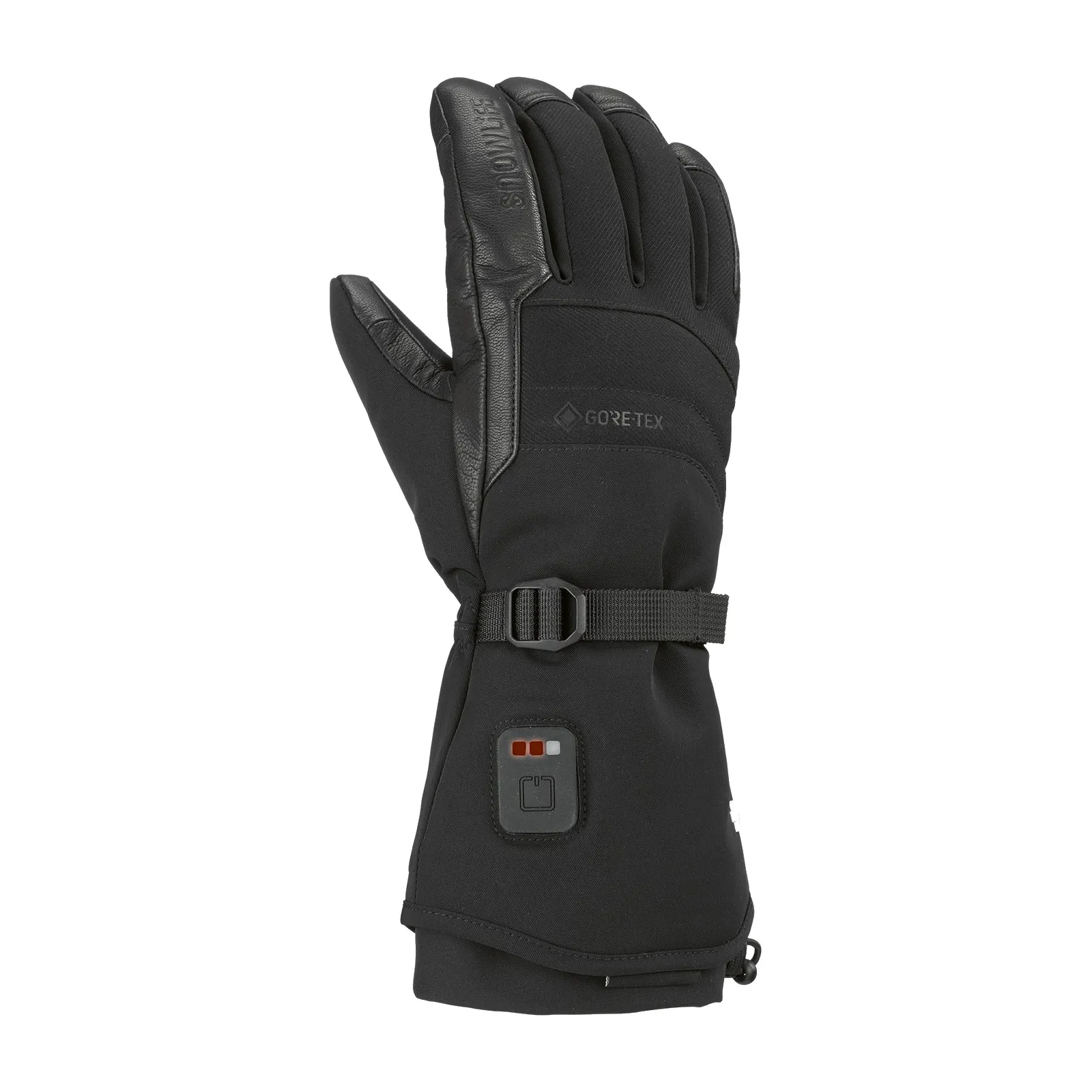
- √ Snowlife Heat GTX: two 4000 mAh batteries are included, up to eight hours of use, button with LED on the cuff
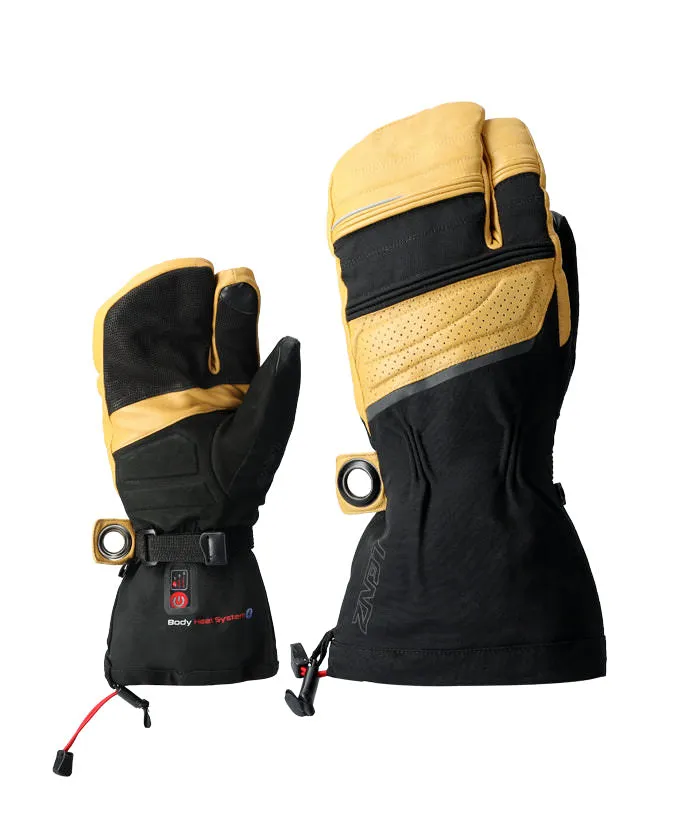
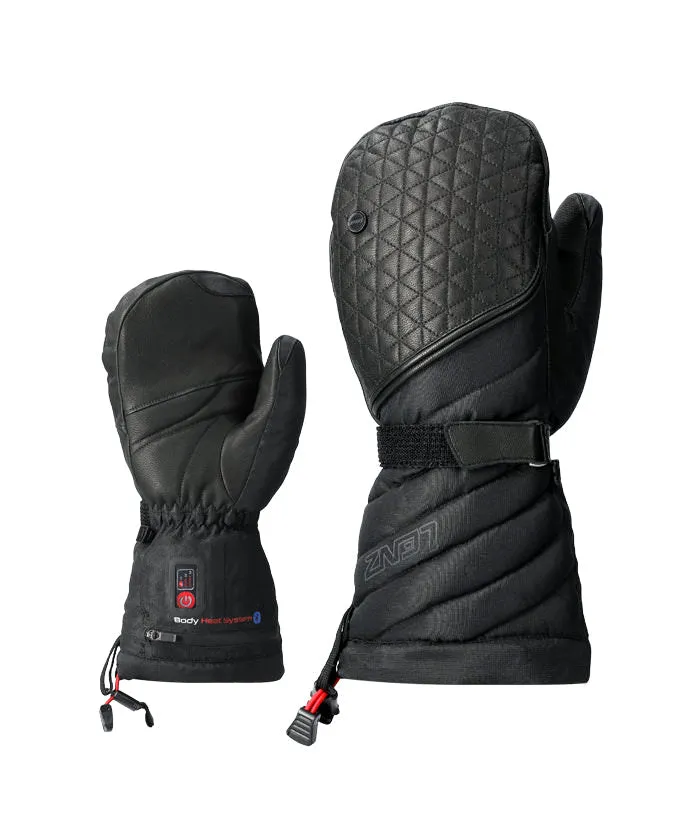
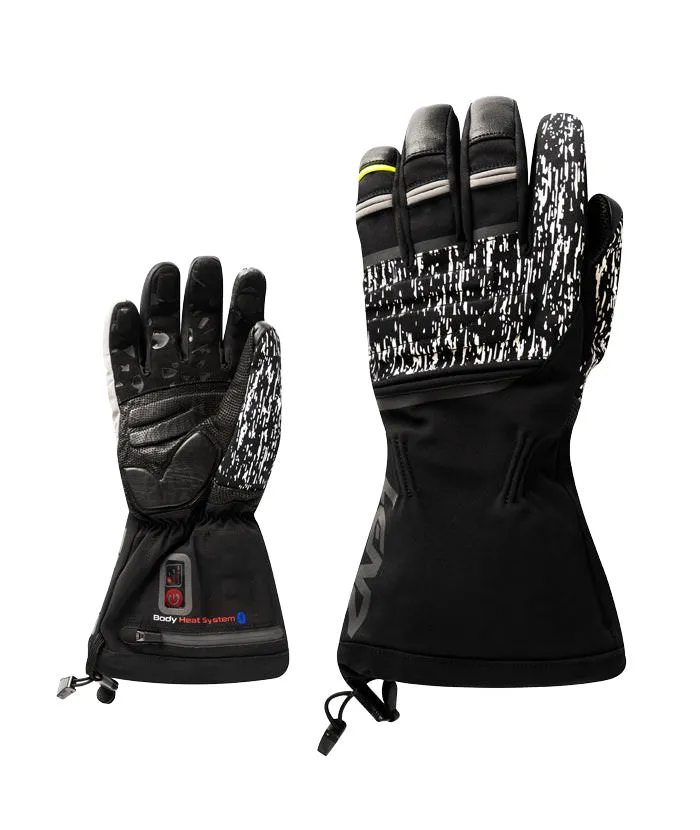
- √ Lenz Heat Glove: up to ten to eleven hours, controlled via the lithium pack or an app—you’ll need to purchase the batteries separately
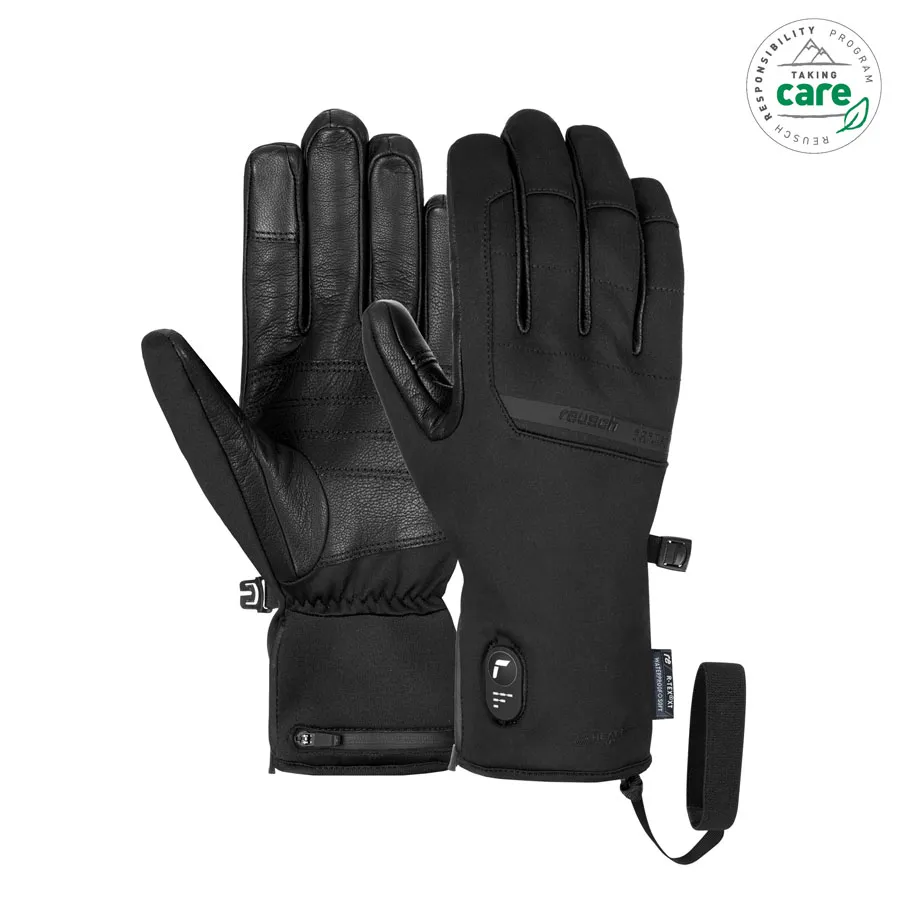
- √ Reusch Heat Essence: thin, multifunctional glove with about four hours of battery life; also designed for city use and walking the dog
- √ Therm-ic Ultra Heat Booster: the 3600 model lasts up to 7.5 hours, the 5200 model up to ten
The issue with separate batteries isn’t just a minor detail. With Lenz, a lithium pack costs between 159 and 189 francs, while the gloves themselves start at 149—but the same batteries also fit into the brand’s heated socks. With Snowlife , the batteries are included, so the starting price is correspondingly higher.
Heated gloves or heated liner gloves
There are two designs. The full heated glove is the simpler solution: put it on, press the button, and you’re done. The heated liner—such as the Hestra Heated Liner—goes inside an overglove you already own. This is more flexible and usually cheaper. But you’ll need to pay attention to the size: the outer glove needs room; otherwise, the combination will feel tight, and you’ll end up with exactly what you wanted to avoid.
Finger gloves, mittens, or lobster gloves
The same rule from the standard lineup applies here: Mittens are warmer because the fingers warm each other and less surface area is exposed to the cold. Finger gloves offer more precision when you need to operate buckles, zippers, or your cell phone. In between is the “lobster” style with a movable index finger, as found in lenz’s Heat Glove 8.0—which comes with a removable heated inner glove and a wind- and water-repellent outer glove. You’ll find a wide selection of non-electronic options among the ski gloves; models with heating are grouped together under heated gloves.
Fit: If they’re too tight, they won’t heat properly
The most common mistake is choosing heated gloves that are too small. Gloves that are too tight cut off circulation to your fingers—and then even the heating wire won’t help. Measure your hand circumference without including your thumb; leave a few millimeters of space at the fingertips. With the inner-glove system, size up one size when choosing the outer glove.
Charging, Care, and Portability
Lithium batteries don’t like the cold or being deeply discharged. Remove them from the gloves after a day on the slopes, charge them at room temperature, and store them in the summer when they’re half full rather than empty. Dry the gloves at room temperature with the lining removed—never on a radiator, as this damages the leather and the adhesive seams. When traveling by plane, pack spare batteries in your carry-on luggage, not in your checked luggage.
And if a heating element fails: Don’t even think about sewing or soldering. Heating wires and battery pouches are covered under warranty—they belong back with the manufacturer, not in your own workshop. Bring the gloves in with your receipt, and we’ll take care of it for you.
Other ways to keep your hands warm
Cold hands often result from cold feet and a cooling torso—so a solution focused on just one area isn’t very effective. Heated socks and ski boot heaters address the issue from the other end, and the Brands Therm-ic and Lenz build both using the same battery system. For a quick fix, hand warmer pouches will do the trick: just add air, shake them, and you’ll get about seven hours of warmth in the cuff. If you’re unsure, it’s best to stop by with your own gloves—trying them out is better than just reading about them.
Frequently Asked Questions About Heated Gloves
How warm do heated gloves get?
The heating elements operate at a surface temperature of around 35 to 50 degrees, depending on the setting. It’s not about heat, but about keeping the temperature in your fingers stable. The glove isn’t supposed to get really hot.
How long does the battery last on a day of skiing?
On the lowest setting, standard batteries last eight to ten hours; on the highest, two to three. Most people ride on setting 1 and only turn it up on the lift—that’ll get you through the day just fine.
Can I wash heated gloves?
Yes, but always without the battery and according to the manufacturer’s instructions. Many models can be hand-washed at 30 degrees; leather should only be wiped down and greased once or twice per season. Do not put them in the dryer.
Are heated liner gloves worth it compared to a full set of heated gloves?
If you already have a good pair of overgloves with some extra room, then yes—you’ll have more flexibility and pay less. If you don’t have anything suitable yet, the all-in-one glove is the simpler choice because the fit and heating system are designed to work together.
Are the batteries included?
This varies by brand and is the most common source of price confusion. With Snowlife and Reusch, the batteries are included; with Lenz, they’re not—there, you buy the lithium packs separately, but you can also use them in the heated socks.