

Telemark bindings
Available from October 21, 2026
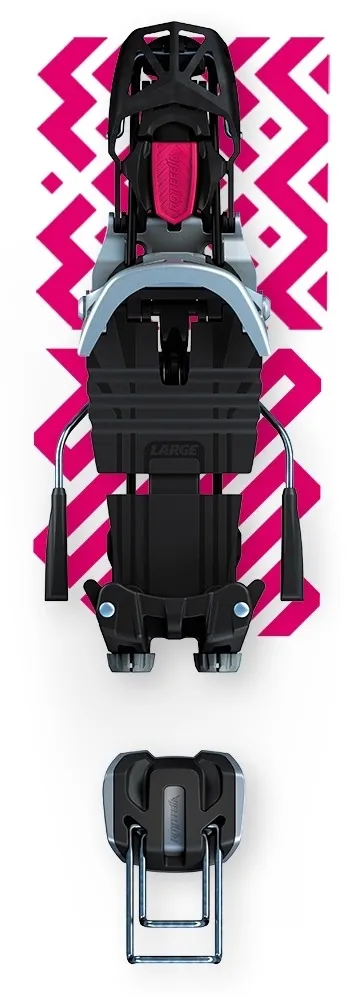
Ready for dispatch from 3 days, delivery time 1-3 days
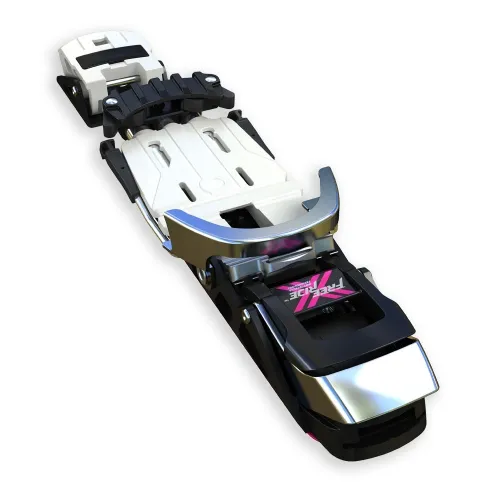
In stock now, delivery time: 1-3 days
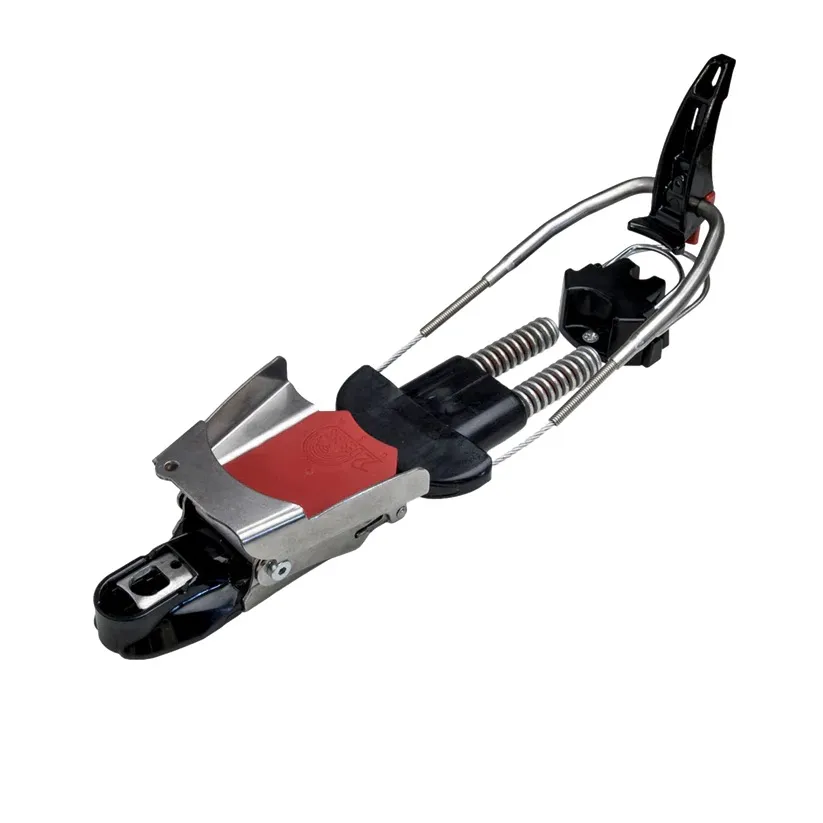
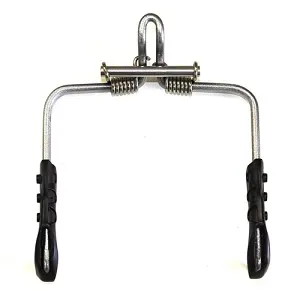
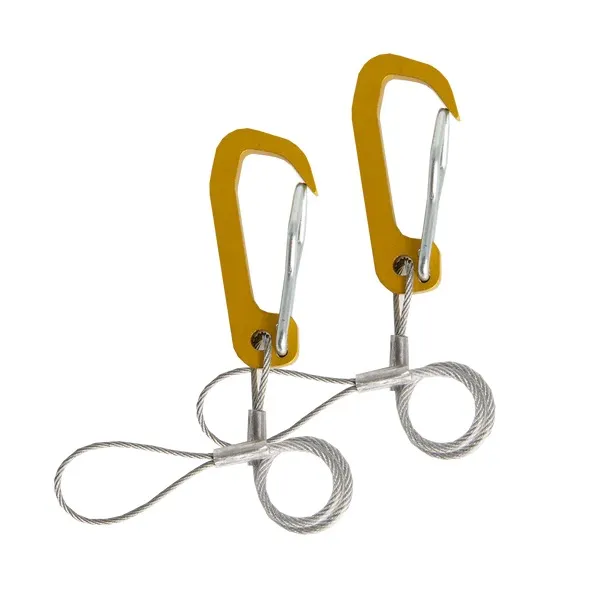
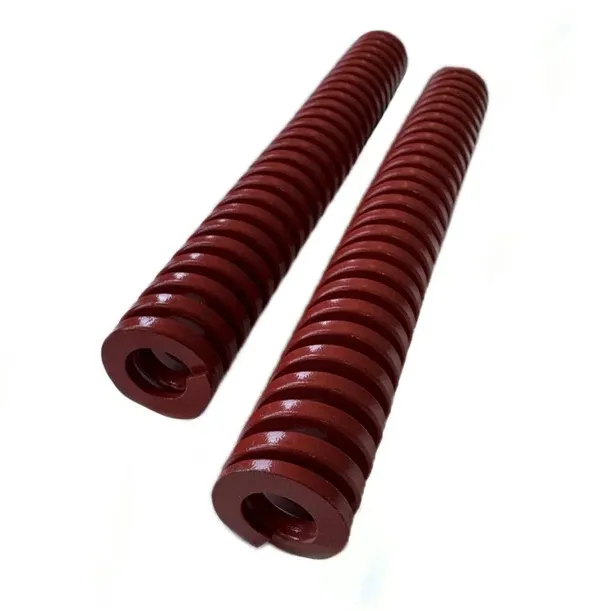
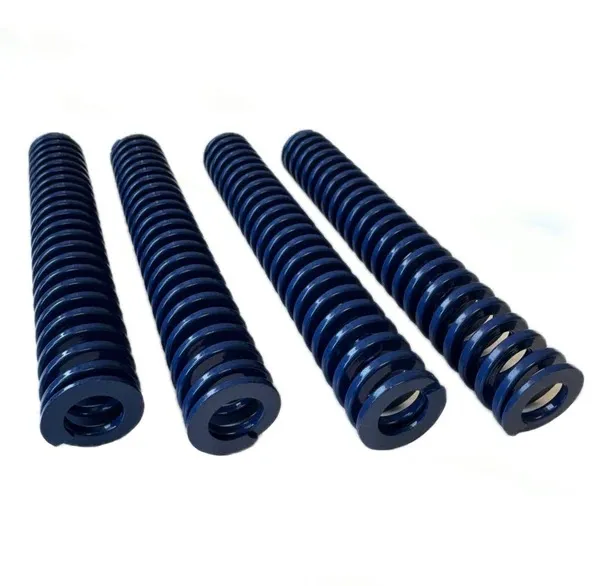
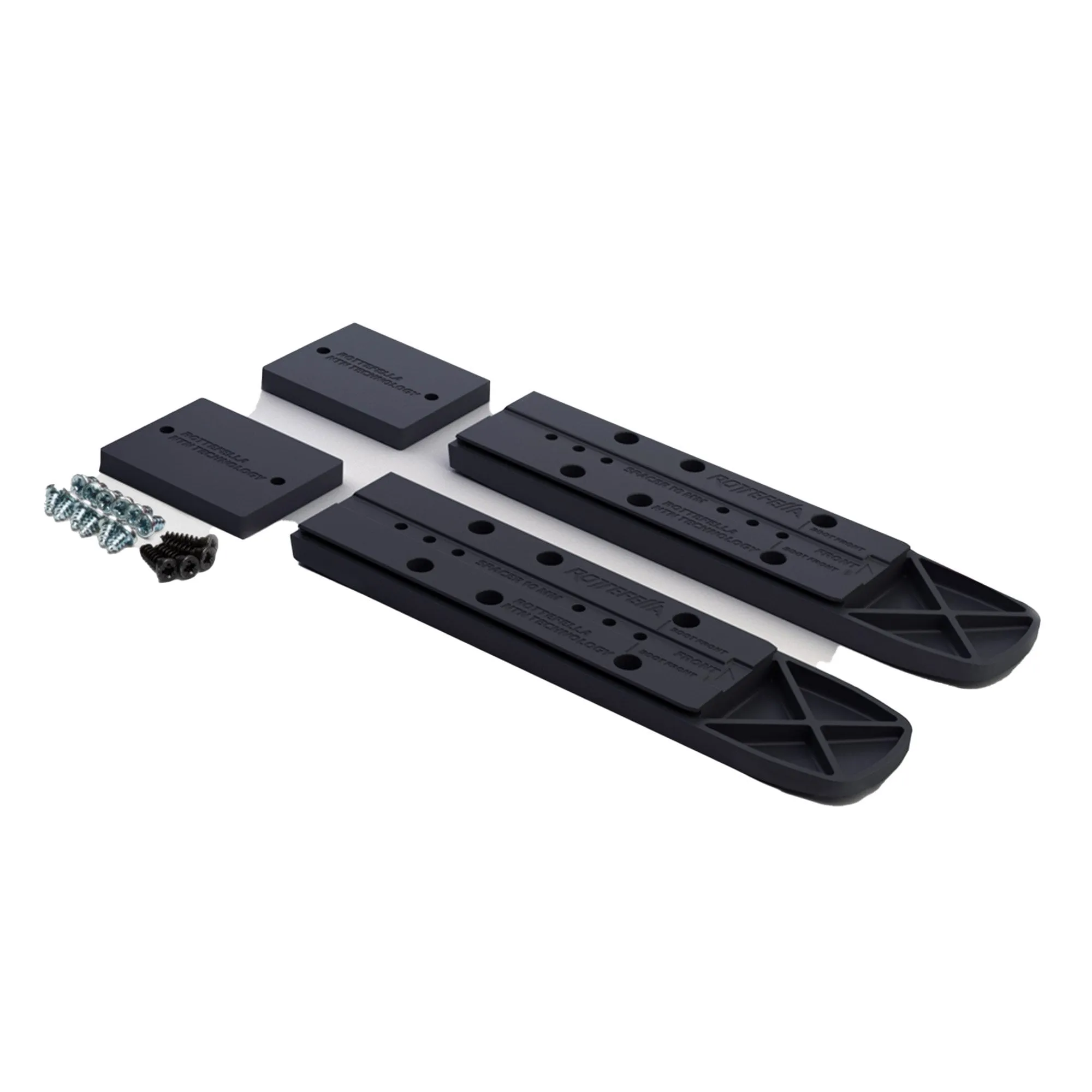
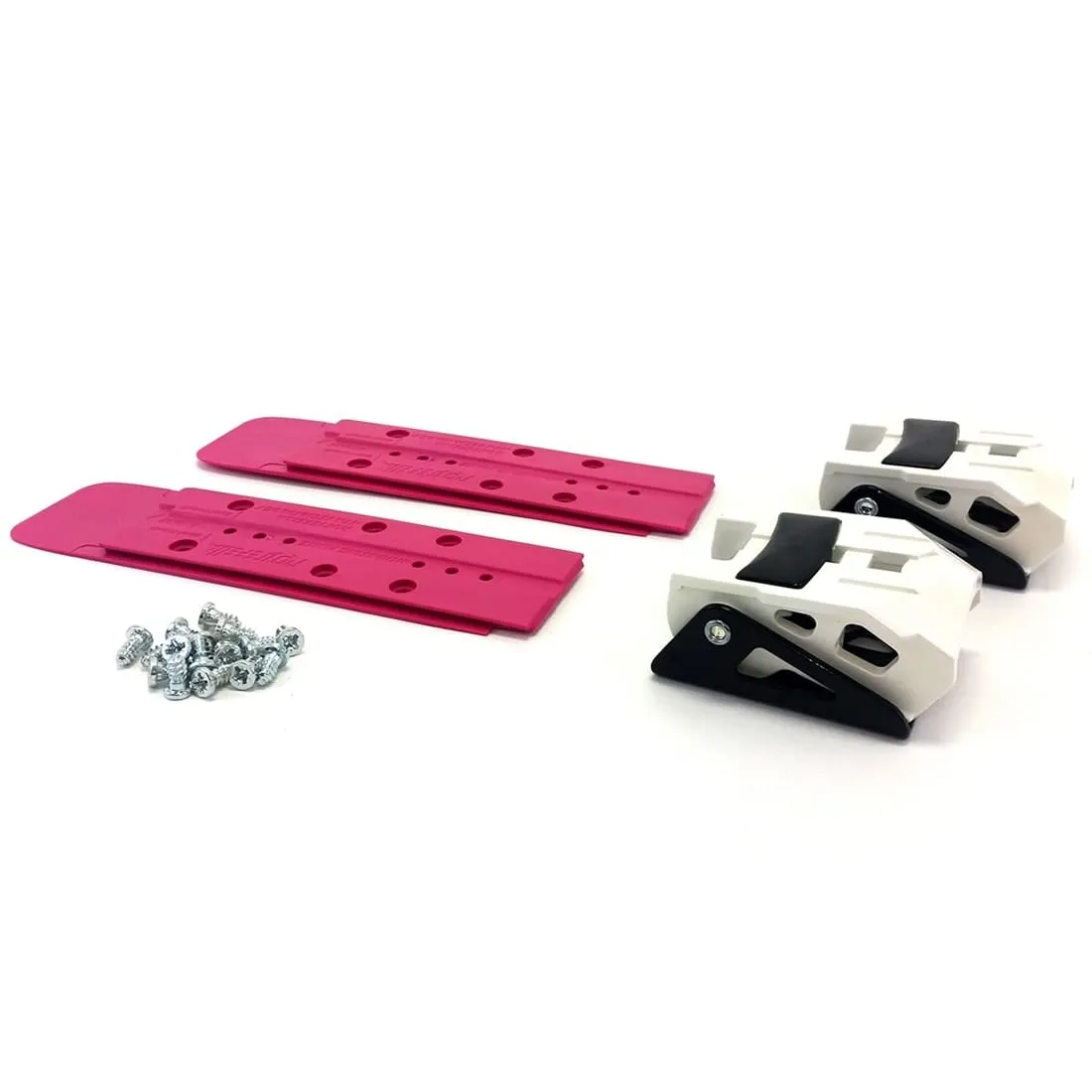
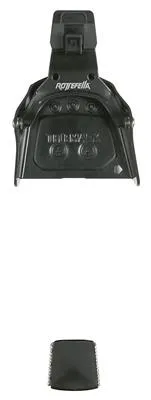
People who want a free heel choose Telemark. The boot is secured only at the toe, and the heel lifts off with every turn—this creates the deep lunge that’s recognizable from a distance. The binding is the component that determines everything: how directly the ski responds, how much force you can apply to the edge, and how comfortable the ascent feels. We carry Telemark bindings from Rottefella, 22 Designs and Scott, as well as ski stoppers, spacers, springs, and screw sets as replacement parts.
Telemark bindings: NTN or 75 mm
There are two systems, and they are not compatible with each other. The choice is determined by the boot, not the binding.
NTN – New Telemark Standard
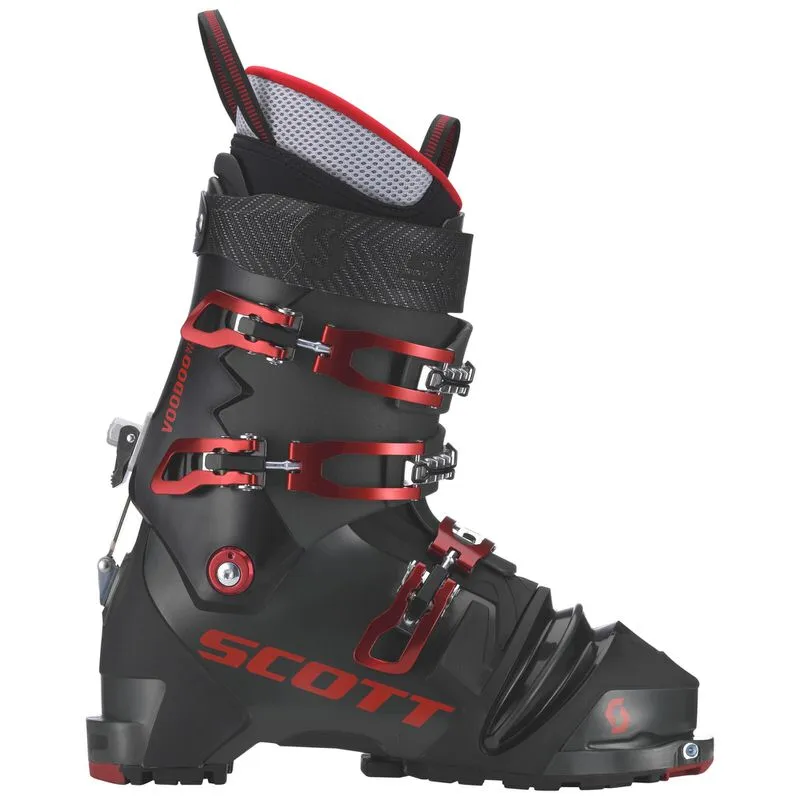
The more modern system. The boot is clamped in the midfoot area instead of at the toe of the sole. This provides noticeably more edge pressure because the force is applied closer to the center of the ski, and it allows for a release function that isn’t available with 75 mm bindings. It’s compatible with ski brakes, which saves a lot of stress on the mountain. NTN requires an NTN boot with the second sole notch—an old 75-mm boot won’t fit.
√ Rottefella NTN Freeride — the classic choice for piste and off-piste, firm flex, excellent edge control
√ Rottefella NTN Freedom - slightly softer and lighter, more comfortable for long days and ascents
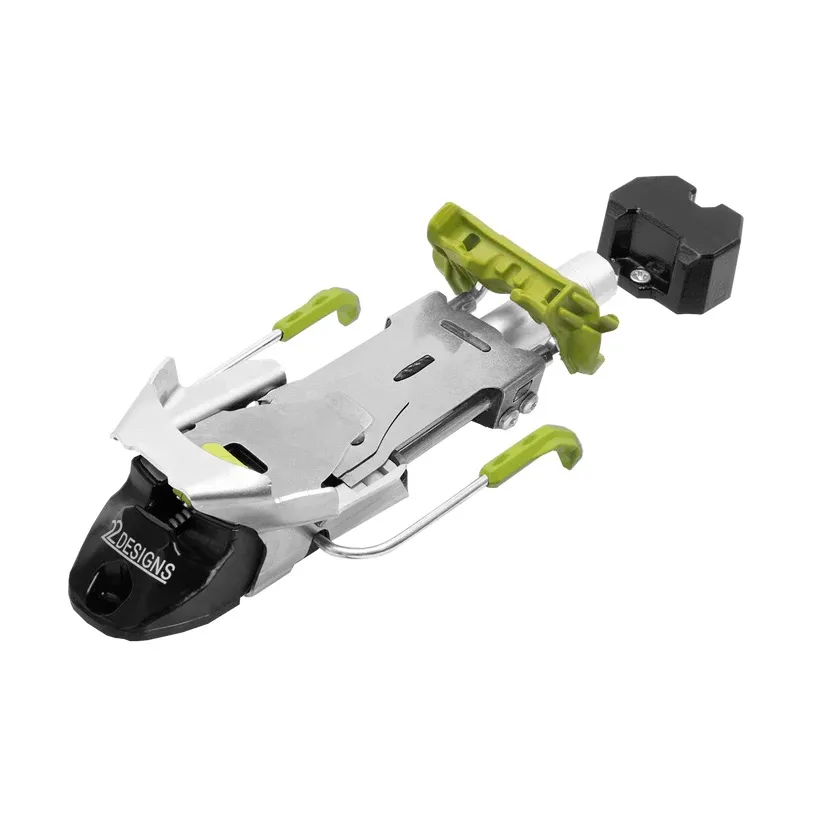
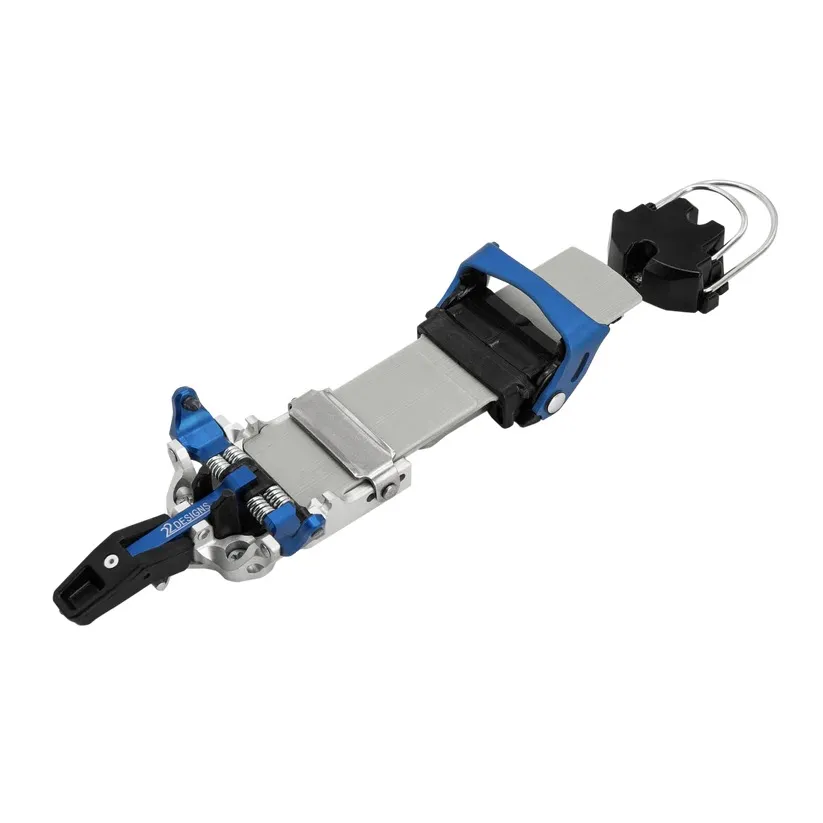
√ 22 Design Lynx - NTN with true touring mode and front pin mount
√ 22 Design Outlaw X and Bandit designs - strong pull on the heel, designed for freeriding
75 mm—the Duckbill standard
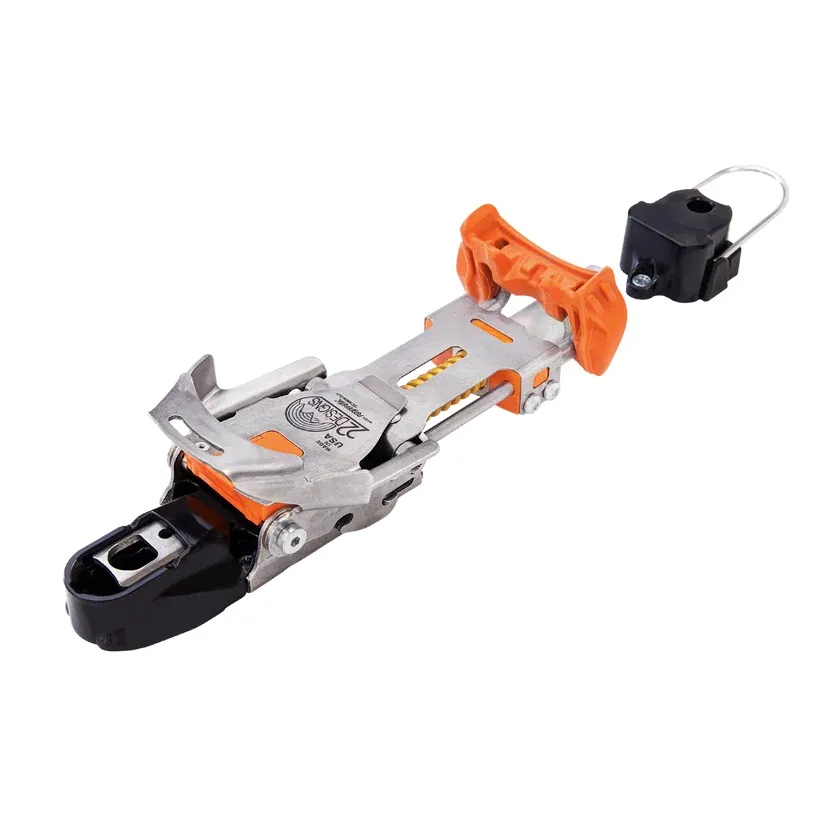
The classic model with the duckbill sole. Simple in design, sturdy, easy to repair, and for a long time the more comfortable system for ascents. No release mechanism, no stopper—but in return, you get a direct feel for the ski that you won’t find anywhere else. The 22 Design Axl is the benchmark here because the spring tension can be adjusted via cartridges.
Which one is right for you?
√ You mostly ski on groomed runs and want control: NTN Freeride or Outlaw X
√ If you spend a lot of time ascending: NTN Freedom or Lynx with touring mode
√ You already have 75-mm boots: Axl, anything else would mean buying new boots
√ You’re just getting started: NTN, because release and brakes are standard today
Installation and Replacement Parts
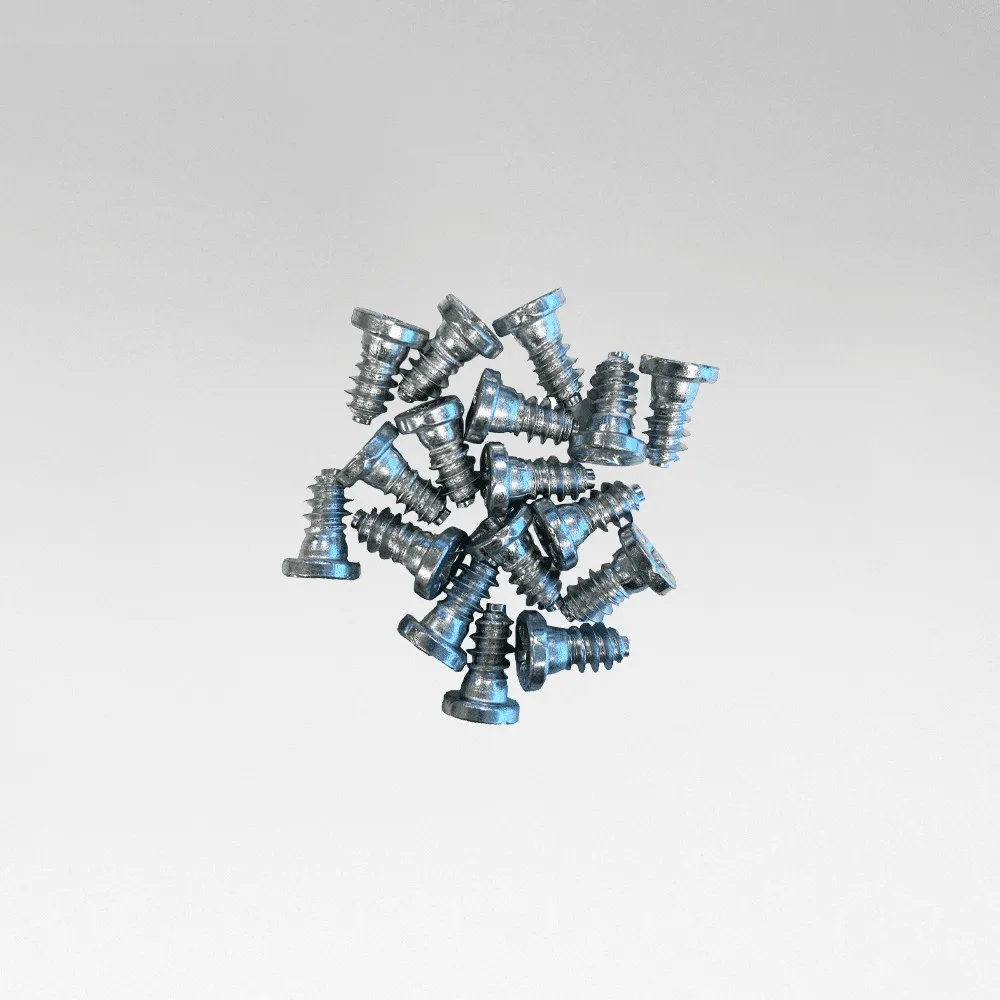
The mounting hole patterns for Telemark bindings differ from those of alpine and touring bindings, and the mounting point is located differently. We’ll mount the binding to your skis in our workshop—learn more under Ski Service. We carry ski stoppers, spacers, spring kits, and screw sets individually, so you don’t have to replace a good binding just because of a broken small part.
Frequently Asked Questions About Telemark Bindings
Can I use NTN bindings with 75-mm boots?
No. NTN secures the boot in the midfoot area and requires the second notch in the sole, which 75-mm boots do not have. Conversely, an NTN boot will not fit into a 75-mm binding either. You choose one system and stick with it.
Do Telemark bindings release?
NTN bindings from Rottefella and 22 Designs feature an adjustable lateral release mechanism. It’s not comparable to a DIN-standard alpine binding, but it’s there. Classic 75-mm bindings don’t release—with those, you use a safety strap or a leash.
Do I need a ski brake?
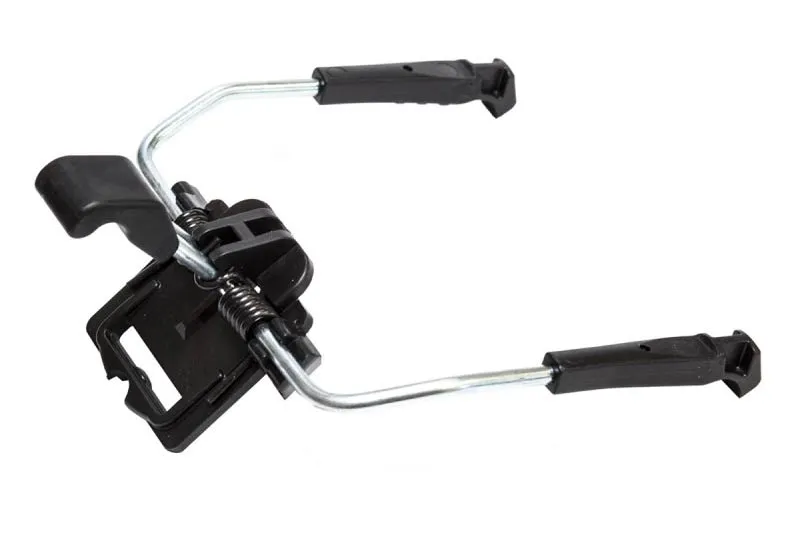
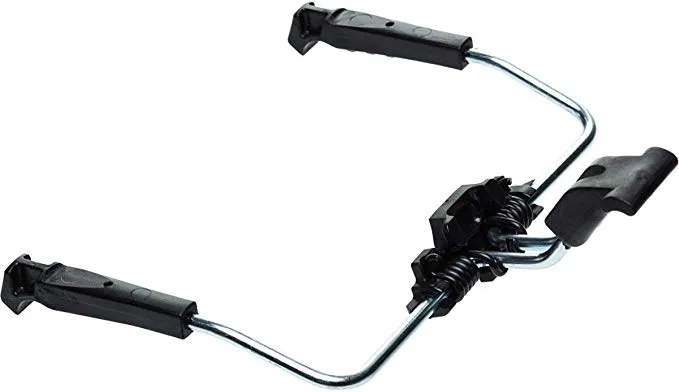
Recommended, yes. With NTN, it can be retrofitted and is usually available separately. Without a stopper, a released ski will slide away, and you won’t be able to find it again on steep terrain. With 75 mm, there’s no stopper; a leash is mandatory.
Are Telemark bindings suitable for ski touring?
The lightweight NTN models with touring mode, such as the Freedom or Lynx, work well. However, if you regularly make long ascents, you’ll find it easier to travel with a touring binding and pin system. In any case, you’ll need ski skins.
Which ski is best suited for a Telemark binding?
Almost any ski can be used for Telemark skiing. In practice, most skiers opt for medium-width all-mountain or freeride skis ranging from 85 to 105 mm under the binding. The only important thing is that the ski width matches the stopper.
What’s the difference between these and alpine bindings?
An alpine binding secures the boot at the front and back; the heel remains attached to the ski. With Telemark, only the toe is secured; the heel remains free and is pulled downward by a spring or cable. This gives rise to the Telemark technique—and a significantly different skiing experience.
